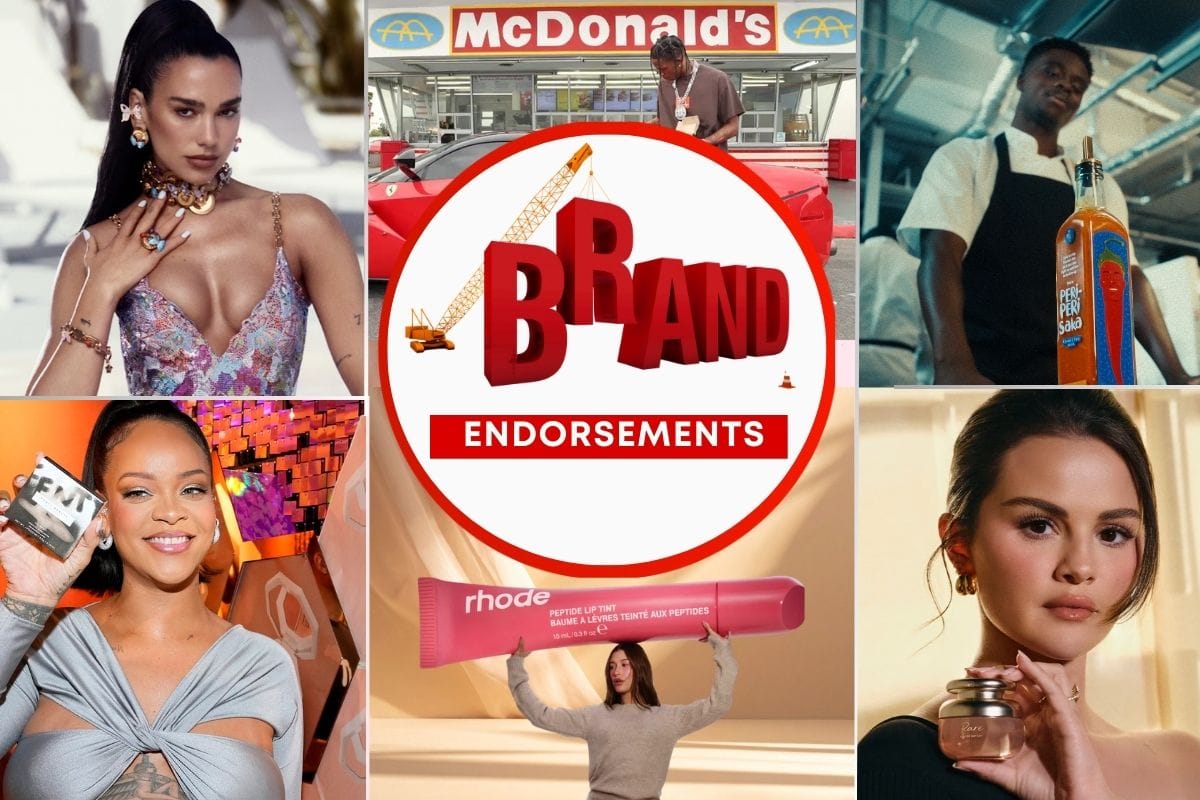
Walk down any UK high street, and you’ll spot it within minutes. A perfume poster with a film star staring through you. A footballer on a sauce bottle. A comedian telling you a brew is basically your best mate. It’s so normal now you barely clock it.
But here’s the thing. Celebrity endorsements aren’t just “a famous person got paid”. They’re a shortcut. A way to borrow trust, personality, and even a bit of identity, without earning it the slow way.
And it works. Sometimes brilliantly. Other times it lands with a thud, and everyone pretends it didn’t happen. I’ve watched brands spend a fortune on the wrong face, then spend even more trying to explain it away. I’ve also watched a well-picked partnership make a product feel like it’s been part of Britain forever.
So if you’ve ever thought, “Why am I suddenly tempted by a sauce just because a winger likes it?” you’re not alone. Let’s talk about how it actually works, what the UK rules demand, and the campaigns people still remember years later.
The Rules In The UK Aren’t A Suggestion
Before we get to the fun examples, the boring bit matters. Because in the UK, you can’t just do a wink and hope nobody notices.
The Advertising Standards Authority is blunt about it. Ads must be recognisable as ads, endorsements must be genuine, and claims have to be accurate. If a celebrity is promoting something they don’t use, or the post is paid for and not clearly labelled, trouble follows. The ASA’s own guidance on recognising ads lays it out plainly.
And it’s not only “industry rules”. Government guidance for content creators and for brands says hidden ads can breach consumer protection law. The point is simple. If money, gifts, or perks are involved, people should be told clearly. No sneaky captions. No vague “thanks”. Proper disclosure.
That’s why, in 2026, the smartest campaigns don’t just chase attention. They build in transparency from the start, because the risk of getting it wrong isn’t worth it.
Also Read – Stephen Graham Movies and TV Shows That Prove He’s Untouchable
Why These Deals Still Work On People Like Us
It’s not because we’re thick. It’s because humans take mental shortcuts. If someone you like vouches for something, your brain relaxes. You feel safer. You fill in the gaps.
A good endorsement does three things at once.
First, it gives you a story. “This is the sauce Bukayo Saka helped create.” That’s more interesting than “Here’s a new sauce.”
Second, it gives you permission. If a celebrity you rate uses it, you feel less silly buying it.
Third, it offers a bit of belonging. You’re not just ordering nuggets. You’re ordering like Stormzy. You’re part of the moment.
That’s why endorsements are at their best when they don’t feel like endorsements. They feel like a natural extension of someone’s public persona.
The Campaigns People Still Quote At The Pub
Some celebrity ads are so embedded in UK culture they’re basically background noise now. Which is the dream, really?
Gary Lineker and Walkers are the obvious ones. The humour, the self-mockery, the sense that he’s in on the joke. It’s been running in some form for decades. It’s not “Star sells crisps”. It’s “that’s just how Walkers talks”.
George Clooney and Nespresso are another. It’s global, yes, but it became a UK telly staple. Clooney makes a pod machine feel like a tiny bit of luxury instead of a plastic appliance.
Ant and Dec for Santander worked because it leaned into what people already feel about them. Familiar, chatty, safe. Like the presenters, you don’t mind hearing at the end of a long day.
These aren’t edgy. They’re effective. And they prove one thing. Longevity beats novelty most of the time.
When The Celebrity Actually Helps Make The Product
This is where things got properly interesting. The best modern deals aren’t just “a face on a poster”. They’re co-creation. A celebrity has a hand in what’s being sold, then talks about it without sounding like they’re reading off a card. Because it’s partly theirs, or at least shaped by them.
And yes, the UK has leaned into this more in the last couple of years. Food has been the loudest arena, but beauty and fashion do it too. The trick is simple. If the product feels like it came from the person, people don’t roll their eyes.
Stormzy And McDonald’s
In January 2025, McDonald’s UK and Ireland announced its first Famous Order collaboration in the region with Stormzy, also known as Big Mike. McDonald’s published the details themselves, right down to what’s in the meal.
The campaign ran as “Order Like Stormzy”, with the signature order at the centre. The trade and creative press treated it as a proper UK moment, not a throwaway one.
It also brought backlash and debate, which is now part of this world, whether brands like it or not. The Guardian covered Stormzy responding to criticism around the partnership.
So yeah. It sold meals. It also showed how quickly a deal can turn into a wider conversation about values.
Also Read – Dakota Johnson Finally Walks Away from Chris Martin After 8 Years of Waiting
Bukayo Saka And Nando’s
This one was almost designed for Britain. A footballer who already feels like a national favourite, paired with a brand that’s basically a weekly ritual for half the country.
In March 2024, Nando’s launched a limited-edition sauce created with Bukayo Saka, supported by the “Yes Chef” mini film. The creative press broke down the work and positioning, including the “Head Chef” framing.
And that’s why it worked. It wasn’t “Saka holds a bottle”. It was “Saka helped shape it, so he can own it.”
Travis Scott And McDonald’s
This is the obvious reference point for the whole “celebrity meal” wave. In 2020, McDonald’s launched the Travis Scott Meal in the US, and it turned into a cultural event, not just a menu tweak. It also sparked copycats because the maths was clear.
Limited items plus fandom equals queues. Forbes covered how fast food brands started blending fame with menu strategy on the back of these kinds of partnerships.
It’s not UK-specific, but it shaped the playbook that later showed up here.
Gary Lineker And Walkers Crisps
This is the UK gold standard. Lineker’s been tied to Walkers for decades, to the point it barely feels like an advert anymore. The smart bit wasn’t “footballer sells crisps.” It was the tone.
He’s usually the joke, not the hero, and that self-mocking British humour makes the brand feel familiar rather than pushy. Walkers have also kept the partnership going long-term instead of swapping faces every year, which is why it’s stuck in people’s heads.
J Balvin And McDonald’s
Same era, same method. A recognisable order, a name, and a fanbase that wants to participate. It’s not “buy this,” it’s “join this.” That’s what makes it feel different from old-school endorsements.
Dua Lipa And Versace
This isn’t a burger, but it’s still co-creation energy. Versace didn’t just dress Dua Lipa. They worked with her on a full campaign and collection feel that matched her public style. In fashion, that’s the whole point. If the person wouldn’t wear it, you can tell.
Rihanna And Fenty Beauty
This is the gold standard example of “the celeb isn’t renting the brand; they are the brand.” Fenty Beauty launched in 2017 as a Rihanna brand with LVMH involvement, and it changed expectations around shade ranges overnight. Even people who don’t buy makeup know the name now.
It’s not a one-off endorsement. It’s ownership. That’s why it holds weight.
Also Read – How Many Times Has John Craven Been Married
Selena Gomez And Rare Beauty
Same idea, different tone. Rare Beauty positions itself around softer branding and mental health messaging, and Selena Gomez’s name isn’t tacked on. It’s built in. That’s what makes it believable to buyers.
Hailey Bieber And Rhode
Rhode is another example of a celebrity-built product line that became a culture thing, especially through social media. The “lip case” moment in 2024 and 2025 wasn’t a traditional ad. It was design plus fandom plus shareability, which is basically how products spread now.
Lady Gaga And Haus Labs
This brand has been repositioned over time, but the key bit stays the same. The products are sold as performance-level makeup, and Gaga’s image makes that claim feel plausible. You don’t have to like it to see why it works.
MrBeast And Feastables
Different world, same mechanism. Creator-led products succeed when fans feel they’re buying into the person’s universe, not just a snack.
You don’t need a billboard if your audience already watches you daily.
What These Have In Common
These partnerships work when the celebrity isn’t just borrowing trust. They’re putting skin in the game. A recipe, a product concept, a look, a brand direction. Something that makes the audience think, “Alright, fair enough, that does sound like them.”
And when it doesn’t feel like them, people smell it instantly. No amount of glossy filming saves it.
The Real Risk Brands Keep Ignoring
The danger isn’t just a flop. It’s trust damage.
If the celebrity feels like they’d never touch the product, audiences clock it. If the ad isn’t labelled properly, the ASA can act. If a brand targets the wrong audience with the wrong face, it can look desperate.
And in 2026, people are sharper. They know what’s sponsored. They also care more about whether the partnership makes sense. That’s why the rules around “genuine endorsements” matter so much. The ASA literally spells it out. Don’t pretend. Don’t mislead.
Also Read – The Real Story About Amaury Guichon’s Wife
A Simple Way To Tell If An Endorsement Will Succeed
Here’s my own quick test. It’s not scientific. It’s just useful.
Ask yourself two questions.
- Would this person still use the product if no one was watching?
- And does the product fit the world they already live in publicly?
If the answer is yes to both, the endorsement has a chance to last. If the answer is no, it might still sell for a week, but it’ll feel flimsy.
That’s why the best celebrity endorsements now look more like partnerships than one-off ads. It’s safer legally, easier to believe, and less likely to get dragged online.
Sources and References
- Advertising Standards Authority (ASA): Guidance on Celebrities in Advertising. Provides the core principles on genuine endorsements and accurate claims.
- ASA & CAP: Influencers’ Guide to Making Clear That Ads Are Ads. The definitive 2026 framework for labelling sponsored content and celebrity partnerships.
- Competition and Markets Authority (CMA): Social Media Endorsements: Guidance for Content Creators. Legal guidance on consumer protection law and transparency.
- UK Government (GOV.UK): New 2026 Junk Food Advertising Restrictions. Context for the 9 pm watershed on HFSS (High Fat, Sugar, and Salt) celebrity campaigns.
- McDonald’s UK Newsroom: The Stormzy ‘Famous Order’ Official Launch (Jan 2025).
- Creative Salon: Inside the Bukayo Saka x Nando’s ‘Yes Chef’ Campaign. Deep dive into the agency work and creative strategy.
- The Evening Standard: Stormzy and McDonald’s: The Cultural Impact and Backlash.
- New Statesman: The 30-Year Legacy of Gary Lineker and Walkers. Analysis of the UK’s longest-running endorsement deal.
- Forbes: The “Travis Scott” Blueprint for Fast Food Branding.
- Practical Law (Thomson Reuters): Celebrity Endorsement Agreements – Legal Checklist (2026 Edition).
Editorial Note: This article was compiled in January 2026 using the most recent ASA and CMA regulatory updates. All campaign details have been verified against official brand newsrooms and industry trade press to ensure accuracy for UK consumers and marketers.