There’s a moment most people recognise now.
You’re halfway through making tea. Kettle on. Phone face down. And a familiar voice says something you didn’t expect. It’s not a punchline. This isn’t a polished anecdote. Something softer. A pause. A sigh. The sort of honesty that never makes it onto a red sofa at 7 pm.
That’s the pull of celebrity podcasts. They don’t shout for attention. They drift into your life quietly, then refuse to leave. And somewhere along the way, they’ve changed how fame sounds.
This didn’t happen overnight. In the early days, celebrity podcasts felt like vanity projects. Famous people chatting because they could. Some were rough. Some were dull. A few vanished without anyone noticing. But by 2023 and 2024, something shifted. Big names stuck with it. Audiences grew loyal. And the tone changed from performance to conversation.
By the end of 2025, actors and comedians and musicians and athletes were regularly streaming at the top of the United Kingdom’s podcast charts. Listening became a habit, especially during commutes and late at night, when long-form conversations could slip into people’s routines without requiring full attention.
And for some listeners, there’s an unspoken question running underneath all of it. When these moments of honesty appear so reliably, often after a difficult press cycle or public backlash, it’s hard not to wonder whether this quieter version of fame is accidental or carefully timed.
Here’s the thing, though. Celebrity podcasts don’t work because the host is famous. They work when fame steps out of the way.
Why Podcasts Get Truth Where Talk Shows Don’t
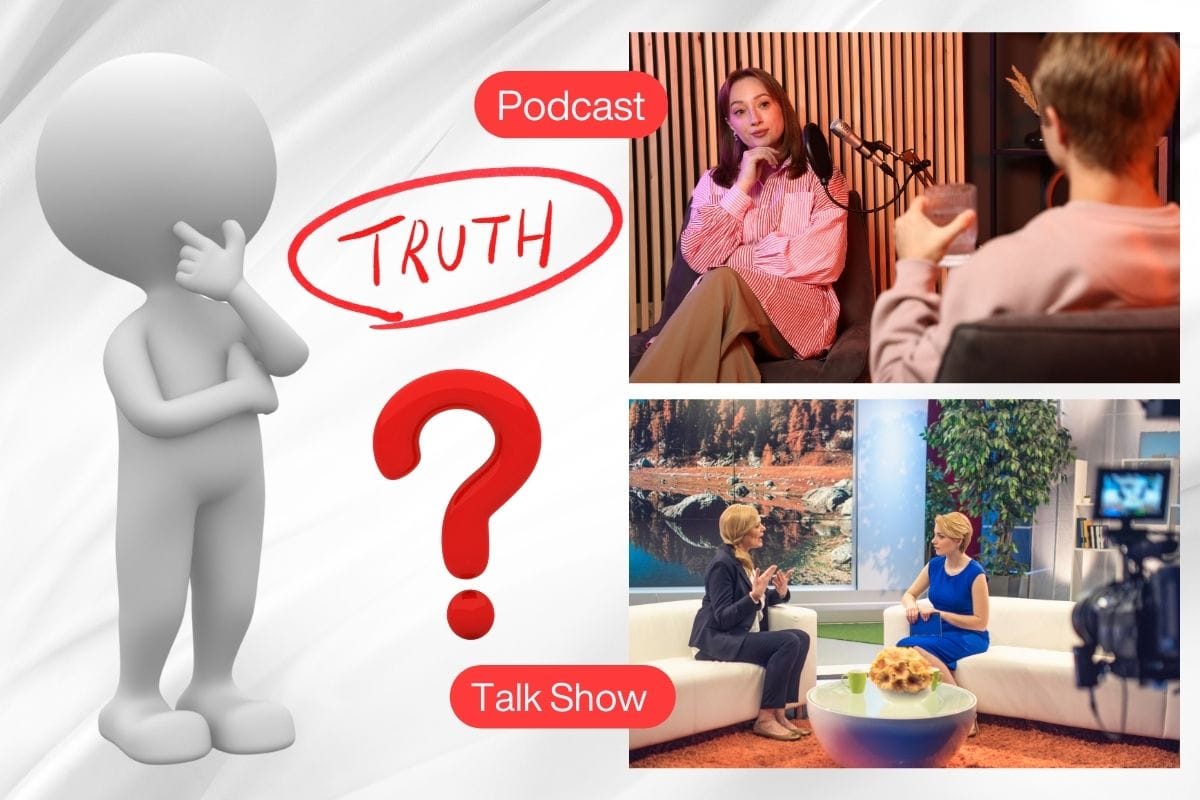
Talk shows are tight spaces. Seven minutes. A cue card. A joke ready in case things wobble. Celebrities know the drill. Smile. Plug. Exit.
Podcasts are different. They’re long. Often unedited. No audience laughter to hide behind. No band playing you off.
That’s why moments land harder. It’s there when Louis Theroux lets a guest sit in silence. When Emily Maitlis doesn’t rush the next question. When a comedian confesses something embarrassing, and there’s no one to bail them out.
Academics who study long-form interviews and podcasts have noted the same thing. Longer conversations feel more authentic because listeners hear people falter, correct themselves, and change direction rather than deliver polished lines.
A 2024 University of Sheffield media study on podcast intimacy made that point clearly, without dressing it up. People don’t trust perfection. They trust pauses.
The Oversharing Line And When It Gets Crossed
You’ve seen it happen. A clip goes viral; headlines follow, and group chats light up. Moments when celebrities overshared on talk shows once dominated the tabloids. You can still find countless YouTube clips of people saying things they didn’t mean to, many of which pulled in millions of views at the time. Now it’s podcasts that carry that risk, not because hosts push too hard, but because guests forget where they are.
In 2024, several UK outlets discussed moments where well-known figures later walked back comments made on podcasts, usually around relationships, mental health, or workplace fallouts. The difference is intent. On a podcast, people speak like they’re among friends. The microphone doesn’t correct them. And once those moments circulate beyond the original episode, they often take on a life of their own, shaping how someone is seen long after the conversation ends.
That vulnerability is the draw. It’s also the danger.
The best celebrity podcasts manage that balance. Honest without being reckless. Open without being careless.
The Shows People Keep Coming Back To
Here is something people don’t always admit. A big name might get you to press play once, but it won’t keep you there. There are plenty of celebrity podcasts that start with a big bang, major guests, a lot of noise and some glossy trailers before slipping away into oblivion as listeners drop off at the halfway point, through episode number three.
The ones below didn’t stick around by accident. They entered people’s routines. Commutes. Evening walks. Sunday washing up. This is not because they shout the loudest, but rather because they understand the importance of listening when you’re tired, distracted, or simply not in the mood to be impressed.
The Louis Theroux Podcast
Louis Theroux has always been good at sitting back and letting moments stretch. On the podcast, that habit really comes into its own. He asks something thoughtful and then doesn’t rush to fill the space. Guests often do it for him.
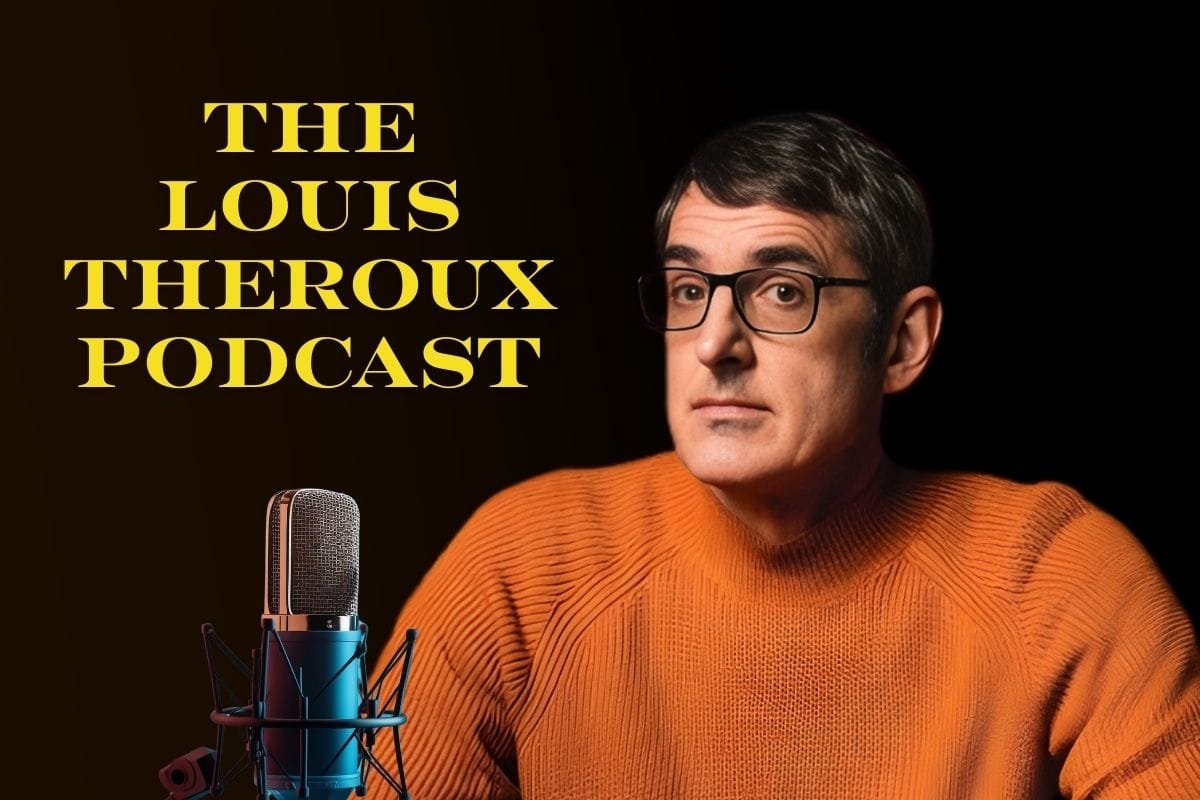
You can almost hear them thinking out loud, sometimes realising mid-sentence that they’ve said more than planned. A few episodes feel awkward in places. That’s the point. Nothing is smoothed over. And listeners sense that immediately.
How To Fail with Elizabeth Day
Elizabeth Day built this show around a simple idea that still feels oddly brave. What if famous people talked about what didn’t go right? Not the lessons. Not the silver lining. Just the failure itself. Careers that stalled. Decisions they regret.
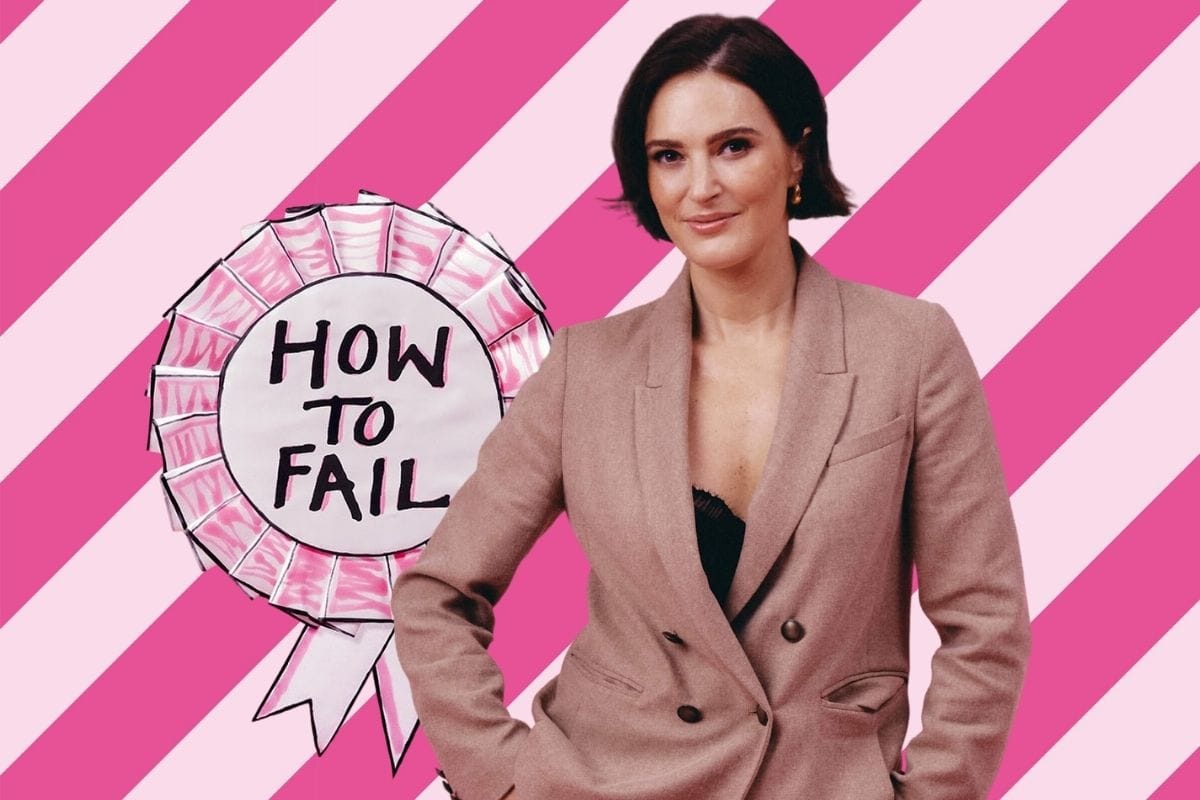
Relationships that hurt longer than expected. The tone stays calm and reflective, never self-pitying. Over time, it’s become the sort of podcast people recommend quietly, usually with a “this helped me more than I expected” attached.
Table Manners with Jessie and Lennie Ware
This podcast works because it feels like it isn’t trying to work. Jessie and Lennie Ware cook for their guests and chat while everyone eats. Cutlery clinks. People interrupt each other. Stories drift.
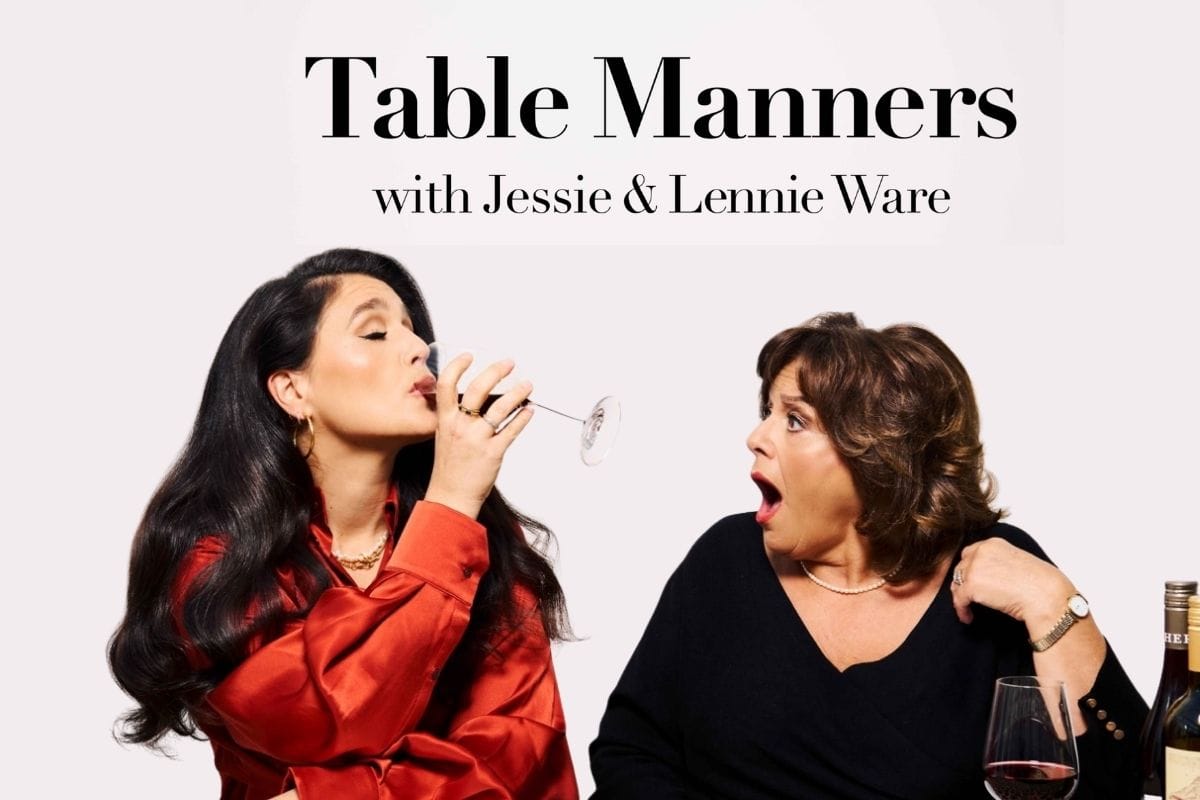
You might hear someone talk about childhood one minute, then laugh about an awkward career moment the next. Sometimes, nothing especially dramatic happens. And that’s why it’s comforting. It sounds like real life around a kitchen table.
Grounded with Louis Theroux
This show started during lockdown, when everyone was a bit unsteady, and no one quite knew what to say anymore. Guests weren’t there to sell anything. They talked about fear, boredom, anxiety, and the strange feeling of time stretching and shrinking at once.

Even after restrictions eased, the tone stayed thoughtful. Episodes don’t chase headlines. They sit with uncertainty. That’s why it still feels relevant.
Happy Place with Fearne Cotton
Mental health podcasts can be tricky. Too intense, and people shut down. If it’s too breezy, it feels empty. Fearne Cotton somehow keeps things balanced.

She shares parts of her own story without turning the spotlight fully on herself and invites guests to talk plainly about burnout, anxiety, and recovery. There’s no pressure to fix anything. Just space to talk. For many listeners, that’s enough.
Off Menu with Ed Gamble and James Acaster
On its face, it’s a comedy podcast about dream meals. In fact, it’s a sneaky way of getting people to drop their guard and be spontaneous. And Ed Gamble and James Acaster keep things snappy but fun. The rules are daft. That helps.
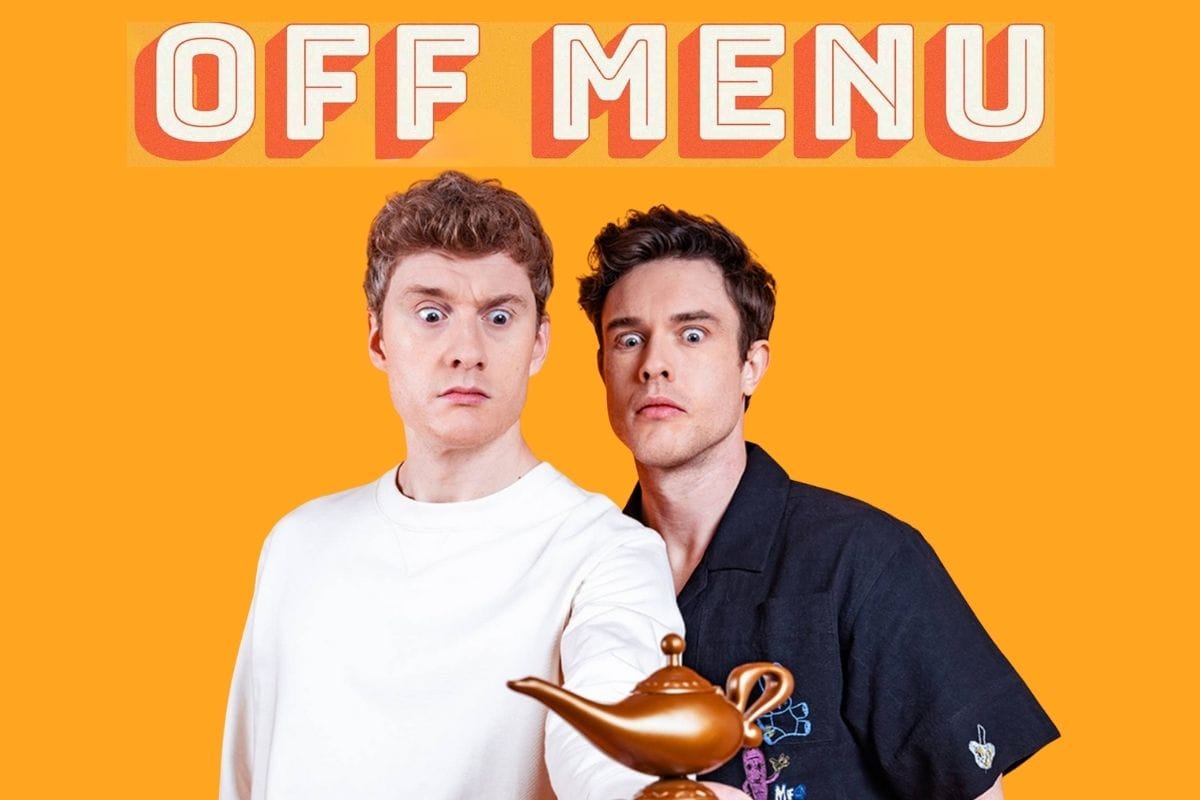
Guests on the show stop worrying about how they appear and start enjoying themselves. Somehow, between courses, you learn interesting things about class, upbringing, and taste without anyone having to make a hard sell.
David Tennant Does a Podcast With…
David Tennant interviews people the way a genuinely curious person would, not the way someone ticking boxes does. He listens closely. He doesn’t rush to show what he knows. That puts guests at ease.
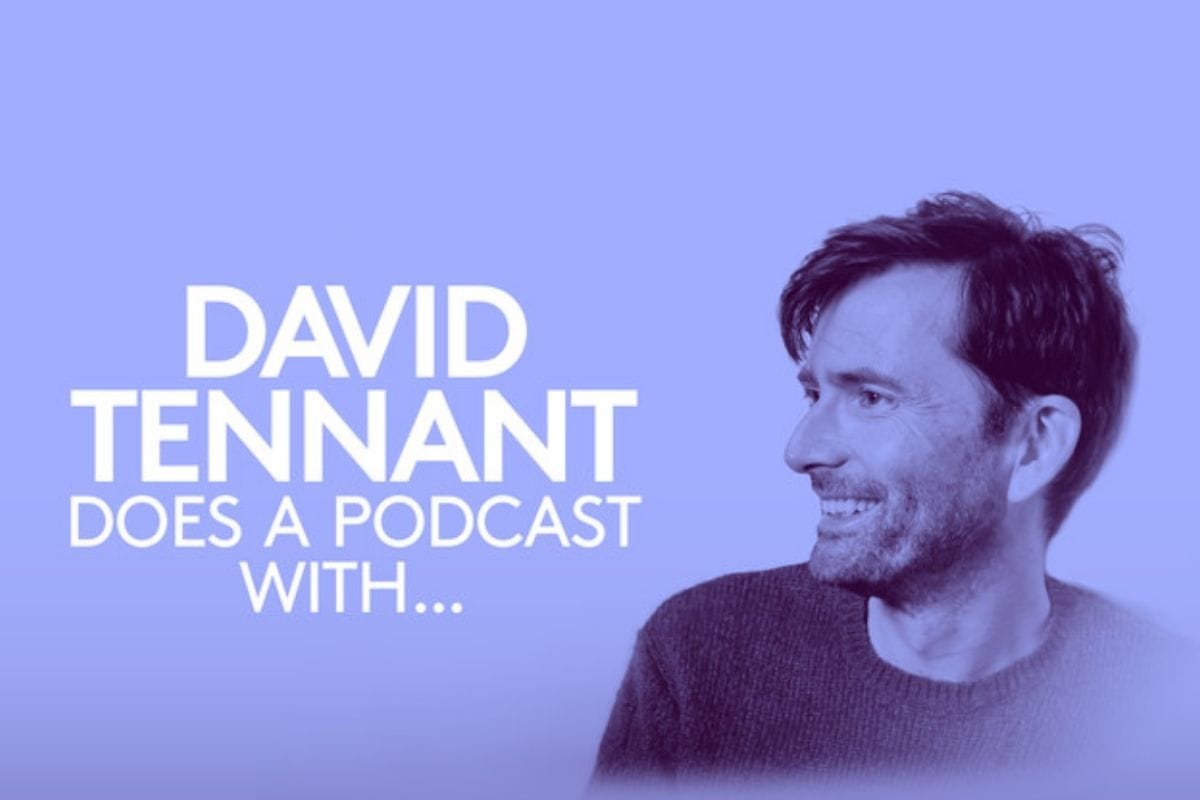
Conversations drift into insecurity, ambition, self-doubt, and moments that shaped careers. The warmth you associate with Tennant as an actor carries through, but it never feels put on.
Films To Be Buried With with Brett Goldstein
The title sounds heavy, but the talk show rarely is. Brett Goldstein uses films as a way in, then lets conversations wander through grief, memory, joy, and the odd awkward confession. Laughter sits alongside serious moments without either one feeling forced.
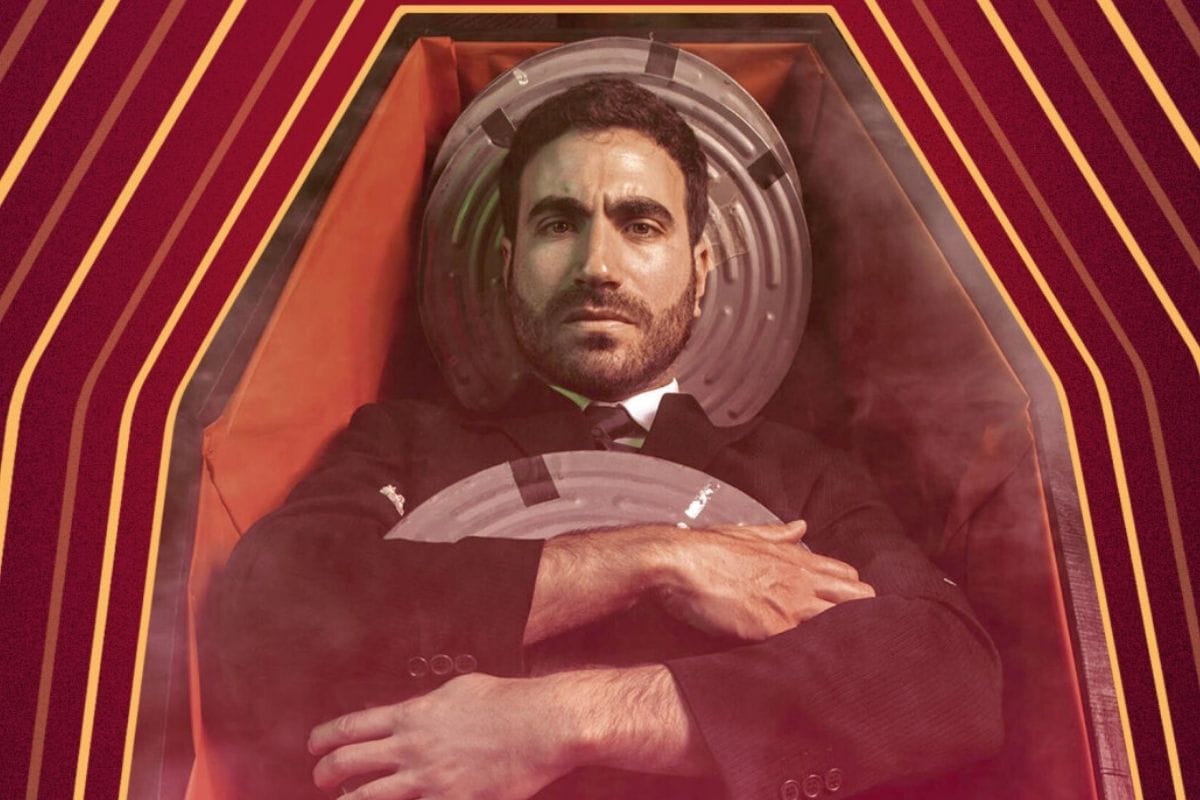
A lot of listeners describe it as oddly reassuring, especially on days when they don’t want anything too shiny or upbeat.
Dish
Dish knows exactly what it is. There are no surprises and no reinvention. Each episode follows a familiar rhythm, mixing food talk with relaxed conversation. Guests settle in quickly because they know the tone won’t turn confrontational or performative.
Listeners do the same. It’s the kind of podcast you put on while chopping vegetables or tidying the flat, and that reliability is part of its appeal.
Armchair Expert
Although it’s based in the US, Armchair Expert has built a strong following in the UK. Dax Shepard lets conversations run long, sometimes very long. Guests go around topics, change their minds, and contradict themselves. Nothing is polished.
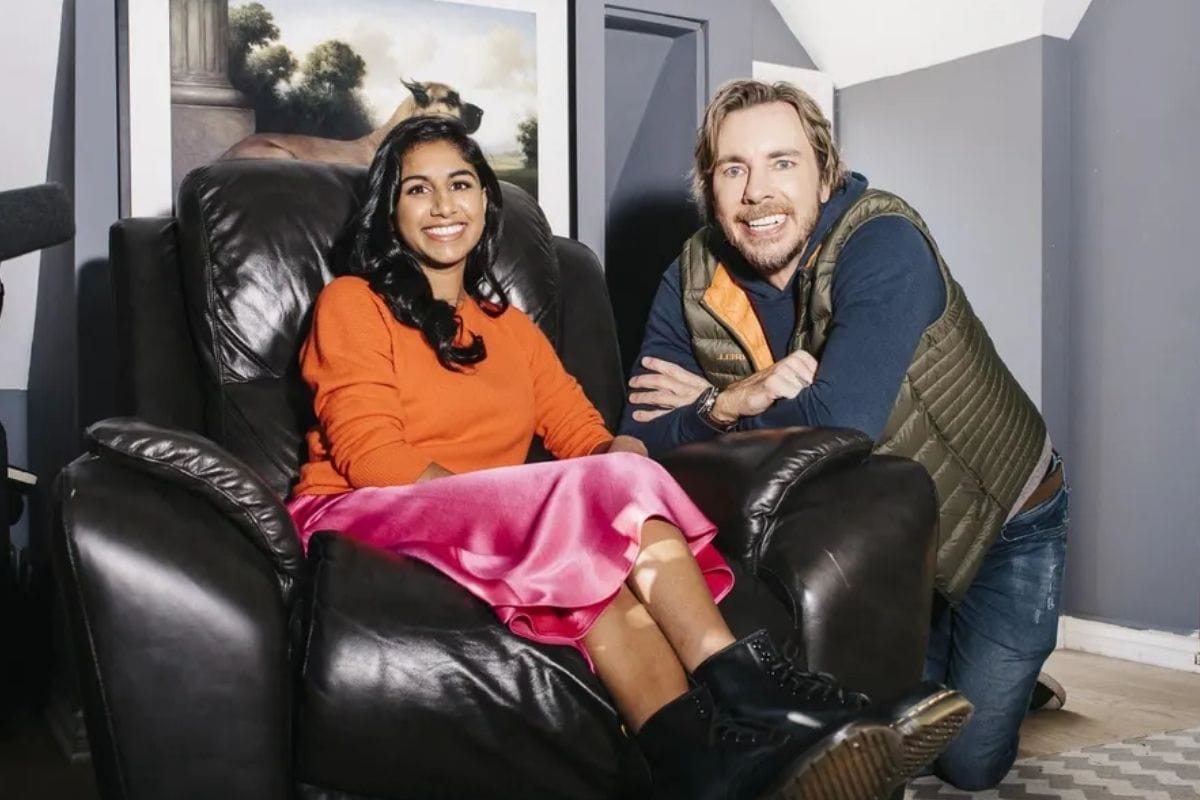
That messiness feels honest. It’s not for everyone, but for those who like sitting with a conversation rather than being rushed through it, the time investment feels worth it.
Ingredients of a Best Celebrity Podcast
Here’s the bit missing from most coverage. The best way to judge a celebrity podcast isn’t the guest list. It’s the second episode.
If a show only shines when a huge name appears, it’s fragile. The strong ones hold your attention even when the guest is quieter, less famous, or unfamiliar. That’s because the host listens properly. When a public image shifts as a result, it usually isn’t because someone planned a reset. It happens because listeners sense something unscripted.
You can feel it. The pacing relaxes, the questions breathe, and there’s no scramble to rescue a dull moment.
Most top-ranking pages talk about popularity. Very few talk about listening quality. That’s the difference between background noise and something you actually remember.
A Recent Shift Worth Noticing
In late 2025, several UK celebrity-hosted podcasts quietly moved away from weekly celebrity interviews and towards mixed formats. Solo reflections, listener questions and themed episodes.
Industry commentary in Podnews and BBC Radio trade coverage pointed to burnout, not just for hosts, but for audiences. Listeners didn’t want endless promo cycles. They wanted continuity.
That change matters. It shows the format maturing and audiences becoming harder to impress.
FAQs About Celebrity Podcasts
What makes a celebrity podcast different from a normal interview show?
Time and tone. Longer episodes allow guests to settle. The lack of a live audience changes how people speak.
Are celebrity podcasts scripted?
Most aren’t fully scripted, though producers often outline themes. The strongest shows leave room for detours.
Why do celebrities share more on podcasts?
The setting feels informal. Without cameras and time pressure, people lower their guard.
Do celebrity podcasts influence public opinion?
They can. Especially when clips travel beyond the original context, shaping how people are seen long after the conversation ends.
Are UK celebrity podcasts different from US ones?
Often, yes. The UK shows tends to favour understatement and humour over confrontation.
Why This Isn’t A Fad
People have predicted the end of podcasting for years. It hasn’t happened. What has happened is refinement.
Celebrity podcasts that survive do so because they offer something rare. Space. Attention. A sense that the conversation could have gone differently, depending on mood and timing.
That unpredictability feels human, and it’s hard to fake for long. So next time you hear a famous voice drifting through your headphones, ask yourself one thing. Are they talking at you or with you?
Because once you notice the difference, you won’t unhear it.
Sources:
- Newman, Nick. “Podcast Listening in the UK: Trends and Trust.” Reuters Institute for the Study of Journalism, 14 June 2024,
- BBC Sounds Editorial Team. “Why Long-Form Podcasts Are Becoming Part of Daily Routines.” BBC Sounds, 9 Sept. 2024,
- Cridland, James. “Why Celebrity Podcasts Are Rethinking Weekly Interview Formats.” Podnews, 3 Nov. 2025,
- University of Sheffield, Department of Journalism Studies. “Intimacy, Silence and Trust in Long-Form Audio Interviews.” University of Sheffield Media Research, Mar. 2024,
- Ofcom. “Audio Content and Podcast Consumption in the UK.” Ofcom Media Nations Report, Aug. 2024,
- Spotify UK Editorial Team. “UK Podcast Charts and Listener Behaviour Insights.” Spotify Newsroom UK, 30 Nov. 2024,
- BBC Radio Industry Analysis Unit. “Audience Fatigue and the Shift Away from Promotional Interviews.” BBC Radio Industry Reports, 12 Dec. 2025,