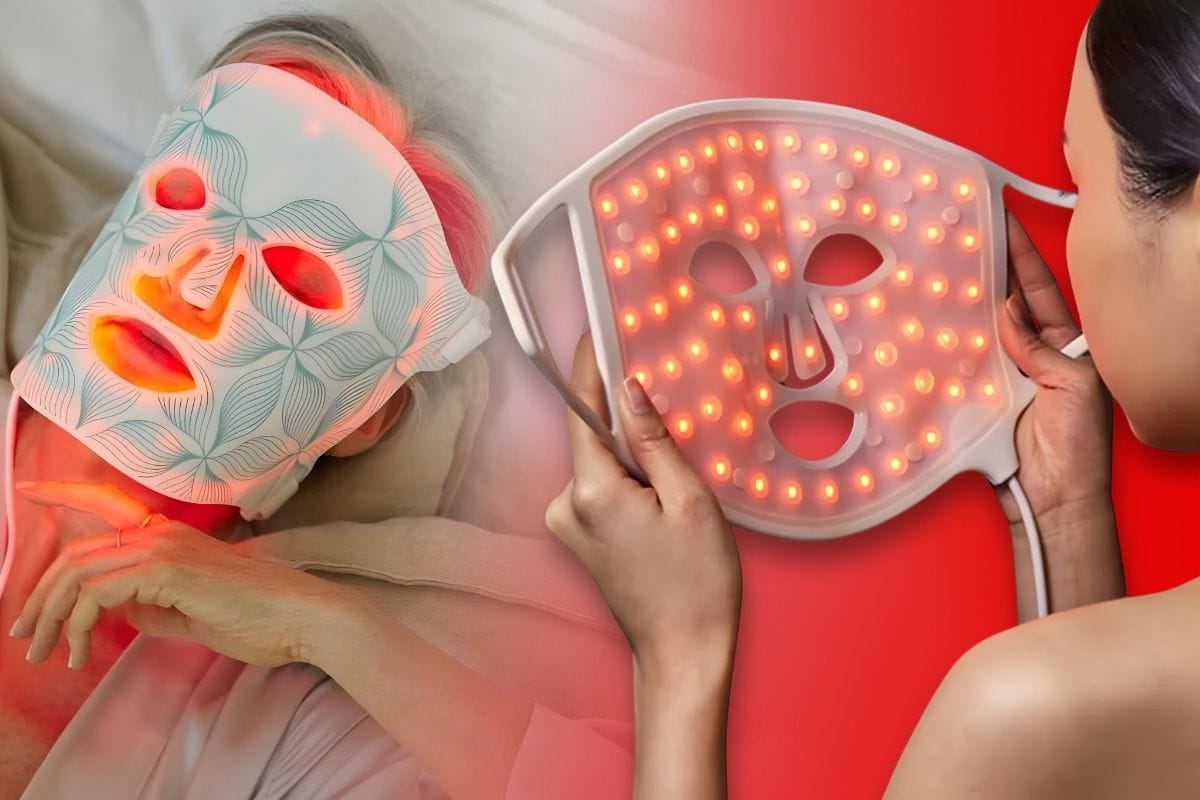
There’s a moment most people have with an LED mask where they go, ‘Hang on, is this… actually doing something?
It usually happens late at night. Hair is scraped back, and the face is freshly washed. The mask is on. You look like a mildly haunted sci-fi extra. And you’re there for ten minutes thinking about absolutely everything, including whether you’ve just fallen for another beauty gadget.
Then you take it off.
Your skin doesn’t look “different” in a dramatic way. Not instantly. It just looks calmer. Like it’s had a good sleep and is not carrying yesterday’s stress around your mouth and forehead. And that’s the whole point. LED masks are a slow burn. They’re not a one-night trick.
That’s why celebrities love them. Not because they’re magical. Because they’re practical, they sit neatly in the gap between “I need to look rested” and “I don’t have time for a clinic appointment this week.” They’re also one of the few at-home tools that have been tested in controlled studies, especially for red light and near-infrared light. You’ll see dermatologists reference this technique when they discuss red light supporting collagen and helping with inflammation and redness.
The American Academy of Dermatology has also covered LED light therapy as a legit category, with the usual sensible reminder that results vary and you need to stick with it.
Anyway. Let’s talk about the real reason this topic keeps blowing up.
People don’t just want an LED mask. They want to know which one gets used on faces that have to look good under brutal lighting, high-definition cameras, and makeup that doesn’t forgive dry patches. That’s where brand names creep in, especially the Omnilux LED mask, because it gets mentioned by working facialists and beauty editors in a way that’s easy to verify.
What Is An LED Mask?
An LED mask is a wearable device that shines specific wavelengths of light onto your skin for a set amount of time. The two most common types you’ll see are:
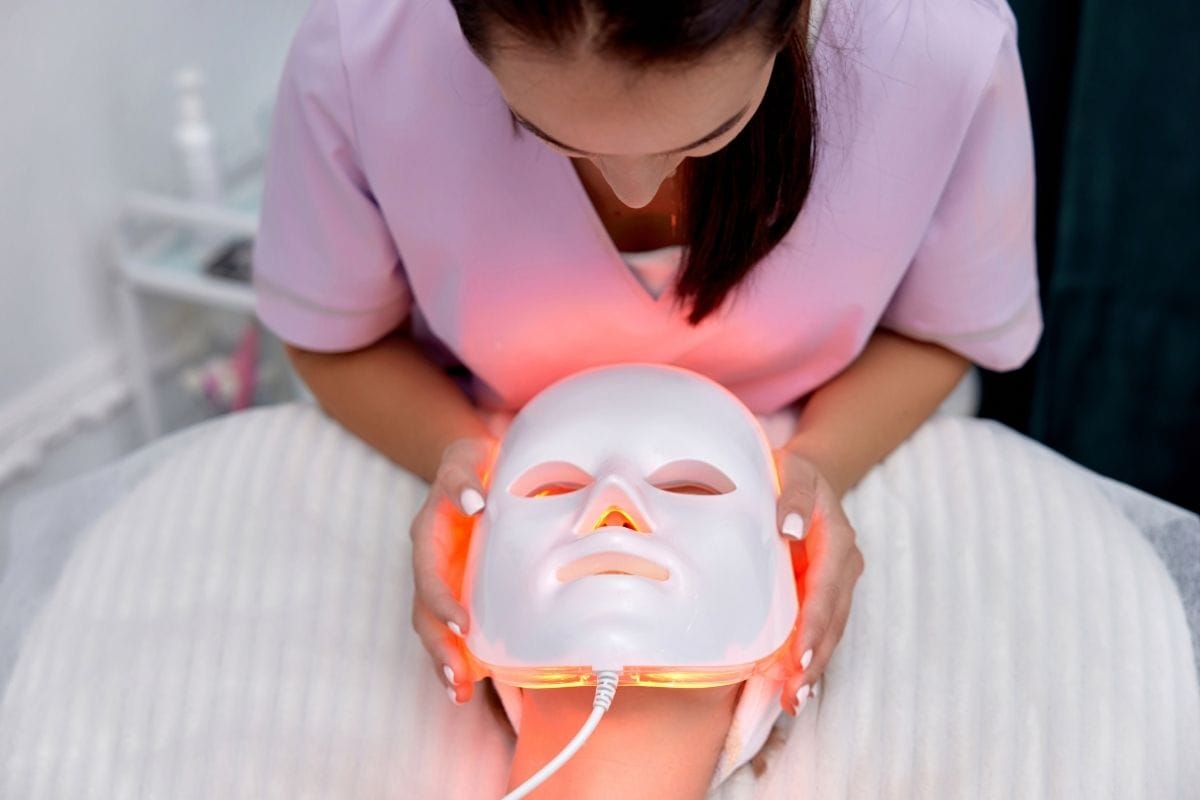
- Red light and near infrared are usually aimed at signs of ageing, inflammation, and overall tone.
- Blue light is often used for acne since it can help target acne-causing bacteria on the skin’s surface.
Most decent masks are simple. Clean skin. Ten minutes. Done. The point is consistency, not intensity. A lot of the better devices stick to treatment schedules like 10 minutes, several times per week. That’s not a random number either. It mirrors how the clinical studies and brand trials often structure usage.
If you’ve ever read an LED mask review and noticed that the results kicked in after a few weeks rather than a few days, that’s why.
The Mask That Gets Name-Checked Most: Omnilux
When people talk about the Omnilux LED mask, they usually mean the flexible silicone-style masks from Omnilux, especially the Contour Face. You’ll see it singled out in beauty roundups because it’s FDA cleared in the US and because editors actually try it and stick with it long enough to report changes.
One example that gets quoted a lot is Glamour’s round-up of LED masks, which includes the Omnilux Contour Face and gives clear specs and a very blunt schedule for use. It also includes a direct mention from Glamour editor-in-chief Samantha Barry, saying her facialist, Kristyn Smith, introduced her to Omnilux and that she uses it regularly. That’s the kind of evidence that matters because it’s specific.
Now let’s get to what you came for.
Celebrities Who Have Tried LED Masks
Bella Hadid (Omnilux LED Mask)
Bella Hadid is the one name that keeps circling back when people talk about the Omnilux LED mask in particular.

The link tends to come through her facialist, Kristyn Smith, who’s been associated with Omnilux in mainstream beauty coverage. That’s why Bella’s connection feels less like internet gossip and more like a professional routine being repeated in print.
And it makes sense. If you’re travelling constantly, dealing with long shoot days, and getting photographed under harsh lights, you’d want something that helps skin look calmer and more even before makeup hits.
This is also why Bella gets pulled into the Omnilux conversation more than most. When a working facialist names a specific device, and that detail lands in big outlets, it sticks. People repeat it for years.
Victoria Beckham (LED Mask)
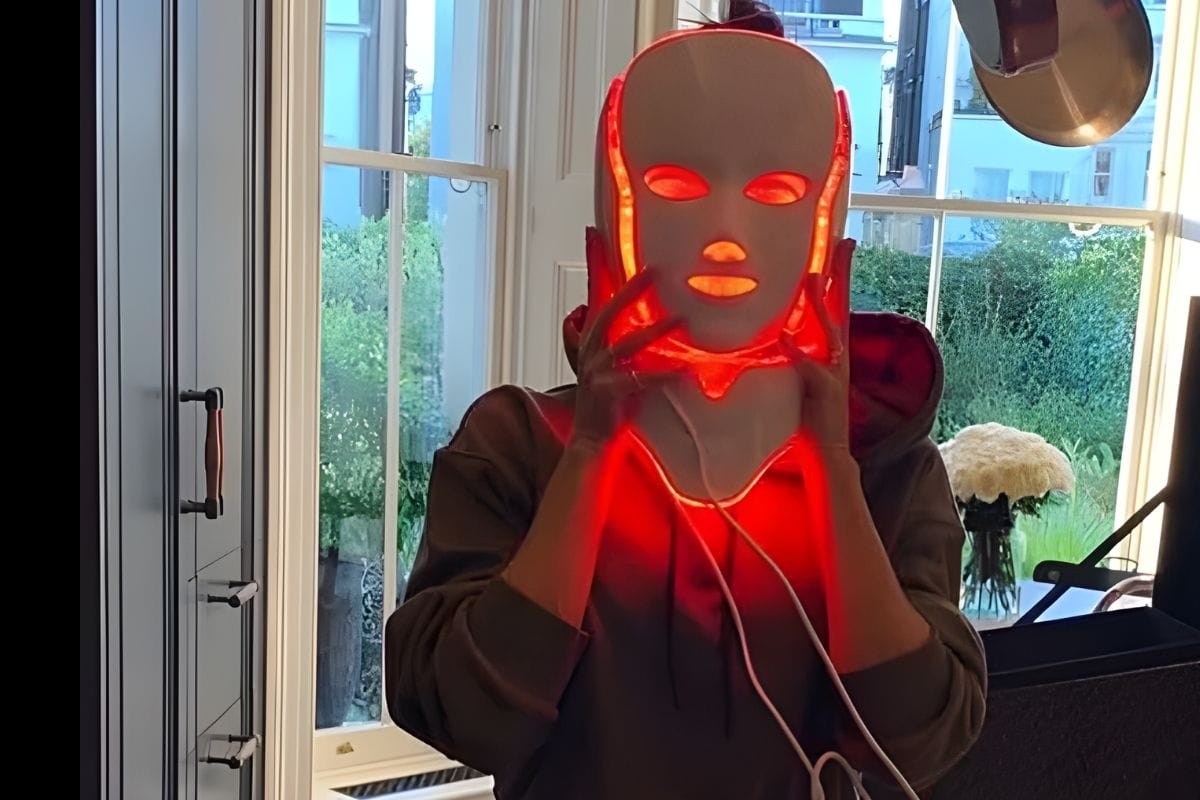
Victoria Beckham has been open for ages about being serious about skincare. She’s one of those people who treats “maintenance” like a lifestyle, not a one-off.
In LED mask chats, she gets mentioned as someone who uses light therapy as part of anti-ageing care and glow upkeep. It fits her whole thing: polished and controlled. No chaos on the surface, even if there’s chaos somewhere off camera.
Kim Kardashian (LED Mask)
Kim Kardashian is basically the poster person for turning beauty routines into a full-time sport.
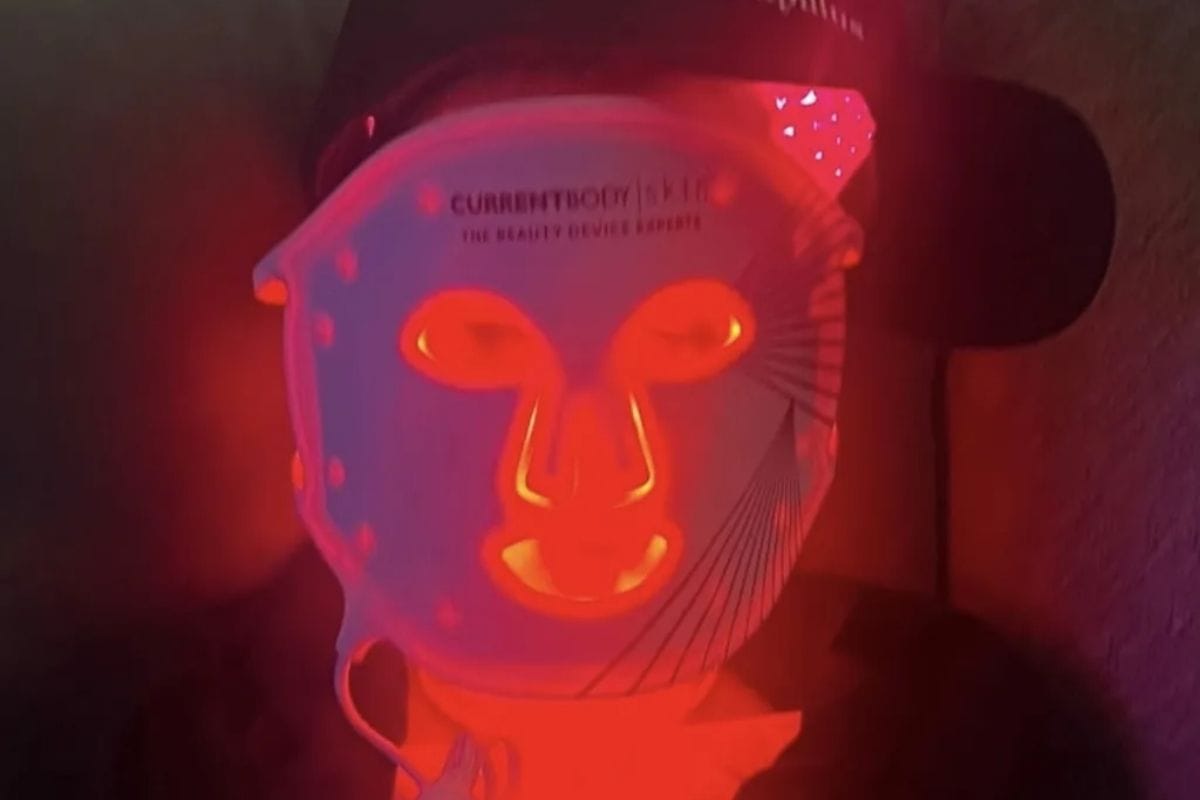
LED masks show up in that world because they’re consistent. You don’t need a clinic appointment and someone else’s schedule. You can do it at home, often, and keep everything looking steady.
And with how much she’s photographed, “steady” matters more than “perfect”.
Lily Collins (LED Mask)
Lily Collins is a fun one because the LED mask moment isn’t just off-screen beauty talk. It popped up in pop culture.
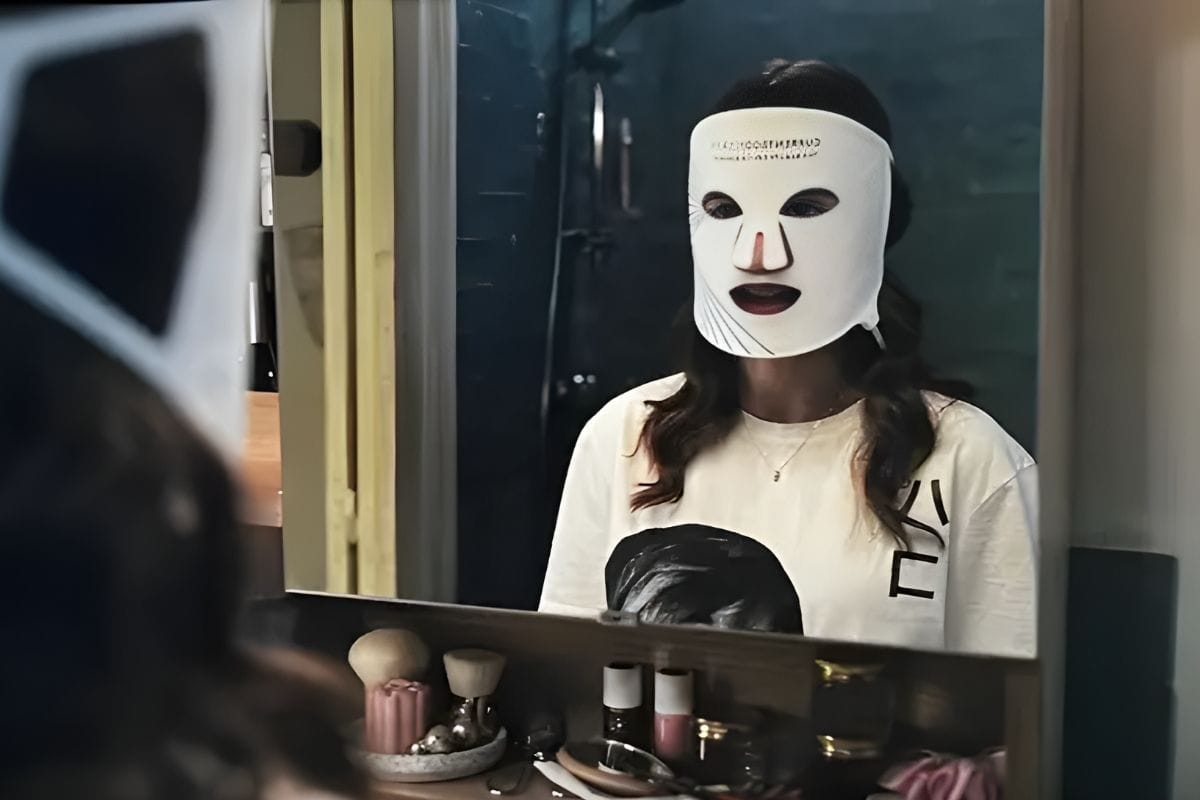
A CurrentBody LED mask has been spotted in the wider “Emily in Paris” orbit, which helped push the whole LED mask look into the mainstream “this is normal now” category. Once a beauty device becomes a TV visual, it stops feeling niche.
It turns from a private routine into something people immediately recognise.
Ayo Edebiri (LED Mask)
Ayo Edebiri’s awards season coverage has had a very modern vibe: clean skin, real texture, and no overdone shine.
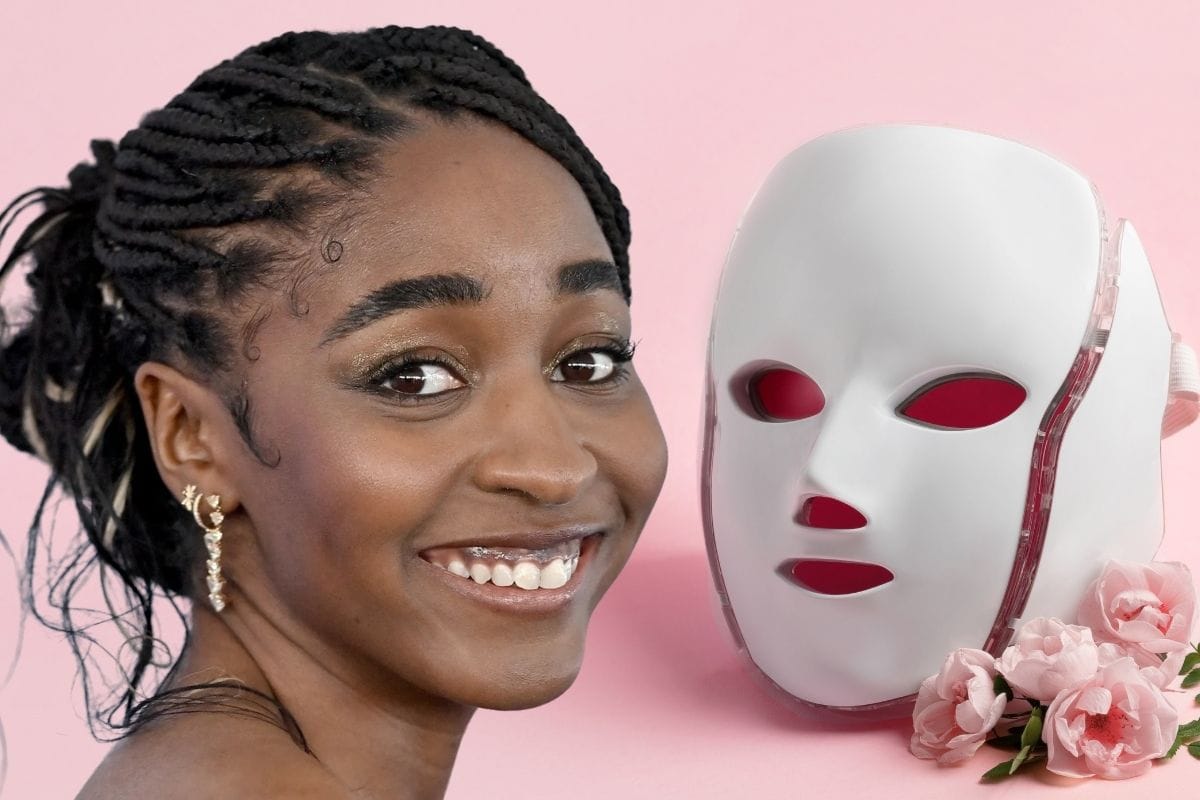
She’s been linked to LED mask prep through celebrity facialist routines, where the mask is used as part of getting skin calm and camera-ready. That’s usually what these tools are doing in real life. Not changing a face. Just smoothing the week off.
Malaika Arora (LED Mask)
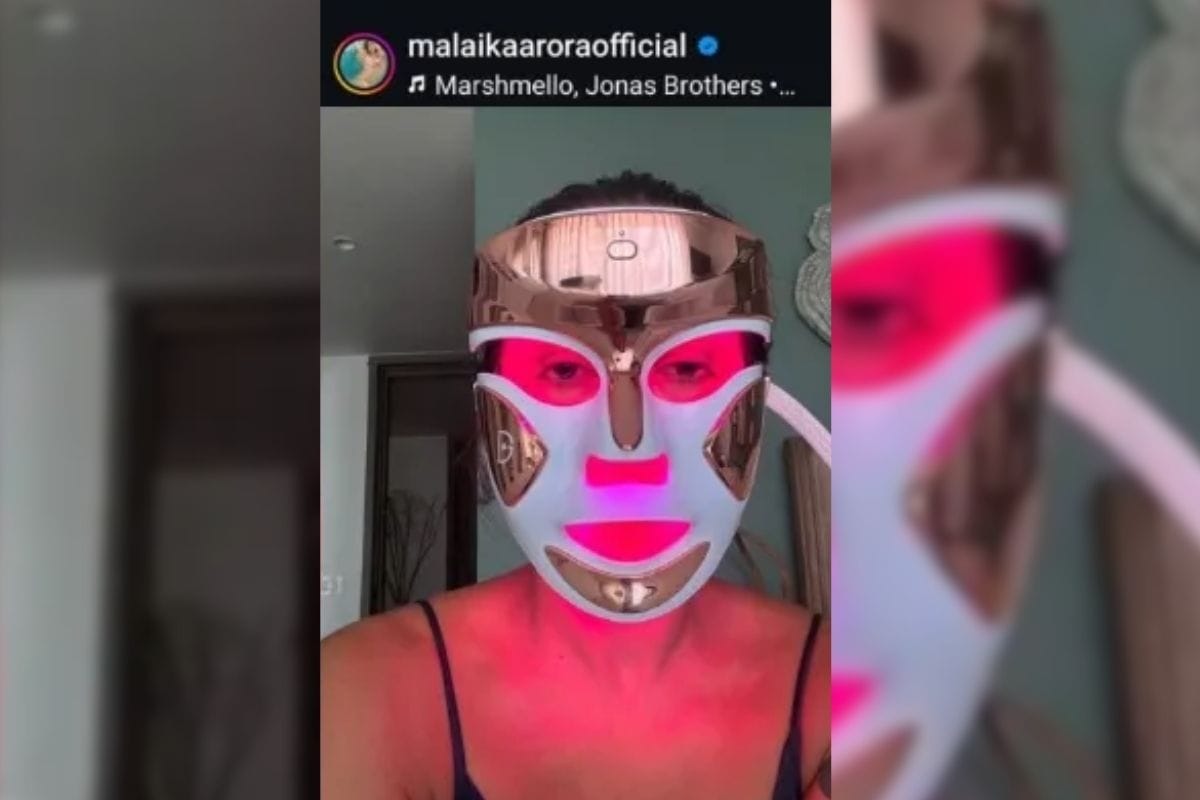
Malaika Arora has been part of the recent wave of celebrities sharing more “real routine” skincare, including devices.
LED masks come up in that space for inflammation, brightness, and that general “skin looks less stressed” finish. The appeal is obvious. It’s one of the few steps that feels both lazy and productive.
Deepika Padukone (LED Mask)

Deepika Padukone’s skincare content has leaned into recovery and calming steps rather than heavy cover-ups.
LED masks have been mentioned around routines like that because they fit the theme. You’re not trying to cover everything. You’re trying to get skin to behave so makeup doesn’t have to do all the heavy lifting.
Suki Waterhouse (LED Mask)
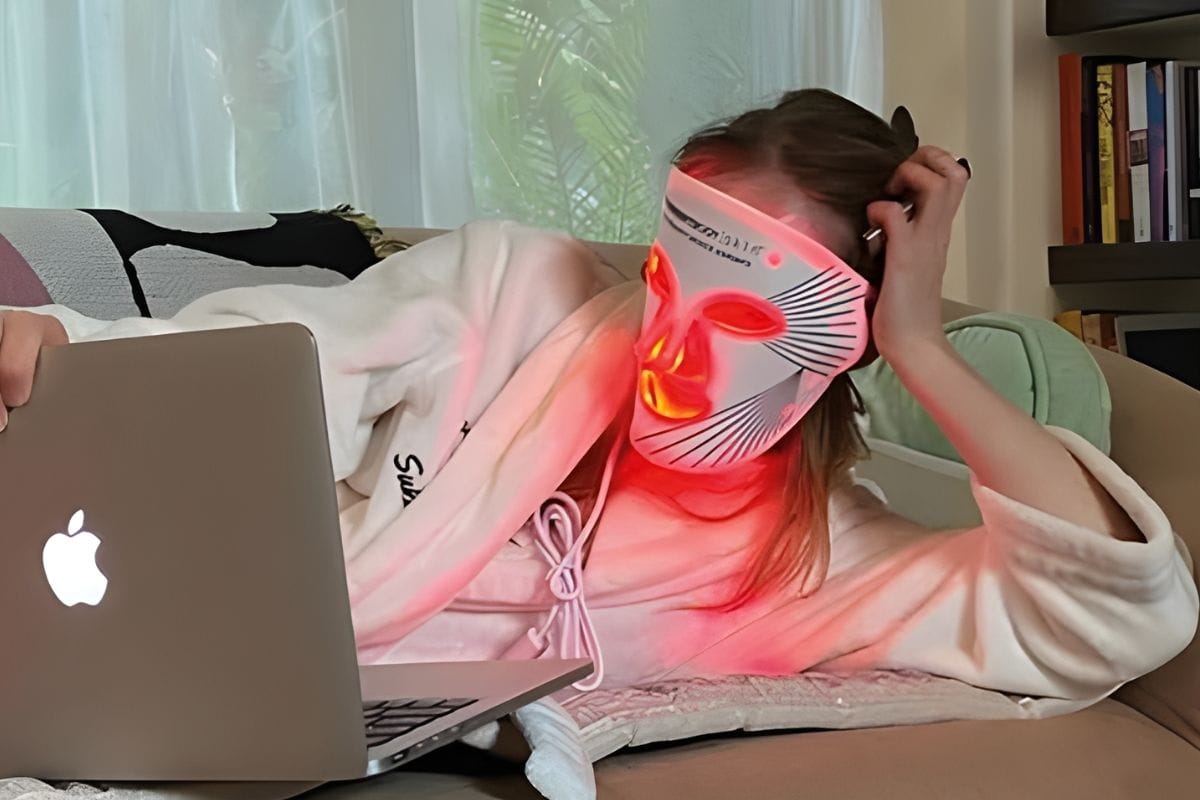
Touring and travel are brutal on the skin. Dry plane air, weird time zones, makeup on and off, and sleep that doesn’t count.
Suki Waterhouse has been linked to LED mask use in that exact context: managing the visible stress of moving constantly. Honestly, that’s the most believable LED mask reason of all.
The “Facialist Favourite” Effect
Here’s the thing. A lot of celebrity skincare isn’t “celebrity recommended”. It’s “celebrity facialist recommended”.
That’s why you’ll see the same handful of device brands repeatedly appear in these articles. Not because every famous person is posting selfies in a mask, but because the same trusted prep teams use the same tools on lots of different clients.
So even when you only have a few solid named examples, it can still explain why Omnilux stays dominant in the conversation.
How Often To Use an LED Mask Without Overdoing It
Most people go too hard at the start. They think more equals faster. Skin doesn’t work like that.
A common schedule you’ll see in reputable roundups for red light devices is about 10 minutes per session, around 3 to 5 times a week for the first month or so, then a maintenance rhythm after that. Glamour’s guide for the Omnilux Contour Face lays out that kind of approach clearly.
So if you’re asking how often to use an LED mask, that’s the sensible baseline. Enough to be consistent. Not so much that it turns into a chore you quit in week two.
If you’ve got a skin condition, take meds that make you light sensitive, or are dealing with melasma, it’s worth checking with a dermatologist first. Not because LED is inherently scary, but because your situation might need a tailored call.
How To Clean an LED Face Mask Without Causing Breakouts
This is the part that ruins results for people.
If the mask touches your face, it needs cleaning. Every time. Avoid using harsh substances or items soaked in random chemicals. Simply wipe it down with a soft cloth and a gentle cleanser, or use a suitable wipe. Keep it dry and store it somewhere clean. Don’t chuck it back in a makeup bag full of powder and old brushes.
If you’re googling how to clean an LED face mask, the rule is basically “treat it like something that sits on your skin for ten minutes”. Because it does.
Also, don’t share it unless you’re cleaning it properly between users. Obvious. But people still do it.
What A Good LED Mask Routine Actually Looks Like
This is where it gets real.
People imagine celebrities sitting in a candlelit bathroom doing a 14-step routine. The truth is usually boring. Cleanse. Mask. Moisturiser. Bed.
A strong routine is repeatable. That’s why LED works for people who are travelling, filming, doing press, or living on weird schedules. Ten minutes is manageable. And when you stack ten-minute sessions across weeks, you can get visible changes in how even your skin looks, how often you flush, and how “tired” your face reads.
That’s also why the best LED mask review articles feel almost disappointed at first. Because they’re honest about it. You don’t get fireworks. You get steadier skin.
FAQs
Do LED masks actually work?
They can, depending on the device, the light type, and how consistent you are. Red light and near infrared have the strongest body of evidence for cosmetic goals like reducing the look of fine lines and calming redness, and blue light is often used for acne. Results vary, and they’re not instant.
How long does it take to see results?
A lot of people notice small changes in a few weeks, with clearer results around the 4- to 6-week mark if they stick to a steady schedule. That timeline shows up in reputable device guides and matches how most trials are structured.
Can you use an LED mask every day?
Some people definitely do, but the majority of guidance for red light devices at home is in the range of a few times a week rather than multiple sessions per day. If you’re uncertain, try the regimen recommended for your specific device and see how your skin responds first.
Should you use serums under an LED mask?
Usually, keep it simple. Clean, dry skin is the best default. Some products are irritating, and heavy oils can make the mask feel messy and more difficult to clean.
Is the Omnilux one actually worth it?
If you’re weighing an Omnilux LED mask review, the real question is whether you’ll use it consistently. The “best” mask is the one you’ll actually wear three or four times a week without hating your life.
Should you go for an LED mask?
LED masks aren’t a personality. They’re a habit.
If you treat yours like a random gadget, you’ll forget it exists. If you treat it like brushing your teeth, it starts to pay you back. That’s why the celebrity angle matters, honestly. Famous faces are basically forced to be consistent. They can’t afford flaky skin the week of a premiere.
So, are you actually going to use one… or are you about to buy it, try it twice, and let it haunt the back of your drawer like every resistance band ever made?
Sources and References
American Academy of Dermatology (AAD): Is Red Light Therapy Right for Your Skin?—Confirmation of LED as a legitimate dermatological category for acne and ageing, with safety protocols (FDA clearance) and professional vs. at-home expectations.
National Institutes of Health (NIH): Safety of light-emitting diode-red light on human skin: two randomized controlled trials– Clinical safety data for red light therapy across diverse skin tones and its efficacy in skin rejuvenation.
The Zoe Report: Bella Hadid’s Facialist Shares The High-Tech Secrets To Her Glow– Direct link between Bella Hadid, facialist Kristyn Smith, and the Omnilux Contour for post-travel recovery.
ELLE UK: Suki Waterhouse Shares Her Skincare Hacks– Suki Waterhouse discusses “skin crisis” on tour and her use of the CurrentBody LED Mask to calm her skin.
Omnilux “Light Reads”: A Look Behind The Treatment with Kristyn Smith— Professional interview detailing the “boring but consistent” routines used on A-list clients.
CurrentBody Editorial: How Suki Waterhouse Keeps Her Skin Radiant– Further confirmation of Suki’s routine (2–3 times weekly) and her “saved my skin” endorsement.
Glamour UK: 15 Best LED Face Masks to Brighten and Clear Your Skin– Editor-in-Chief Samantha Barry’s personal use case and the “blunt” 10-minute, 3-5x per week schedule.
Tech Advisor: CurrentBody LED Light Therapy Face Mask: Series 2 Review– The “Emily in Paris” pop culture connection with Lily Collins and the technical breakdown of wavelengths (633nm/830nm).
Forbes Vetted: Omnilux Vs. CurrentBody: Which LED Face Mask Is Better?— Competitive analysis of LEDs and irradiance, explaining why specific brands dominate the celebrity conversation.
Lumivisage: How To Clean An LED Face Mask In 5 Quick Steps– Instructions on using 70% isopropyl alcohol and avoiding harsh chemicals to prevent skin breakouts and device damage.
Solawave: Proper Way to Clean and Maintain Your LED Facial Devices– Recommendations for daily wipe-downs and weekly deep cleans to maintain light transparency and hygiene.