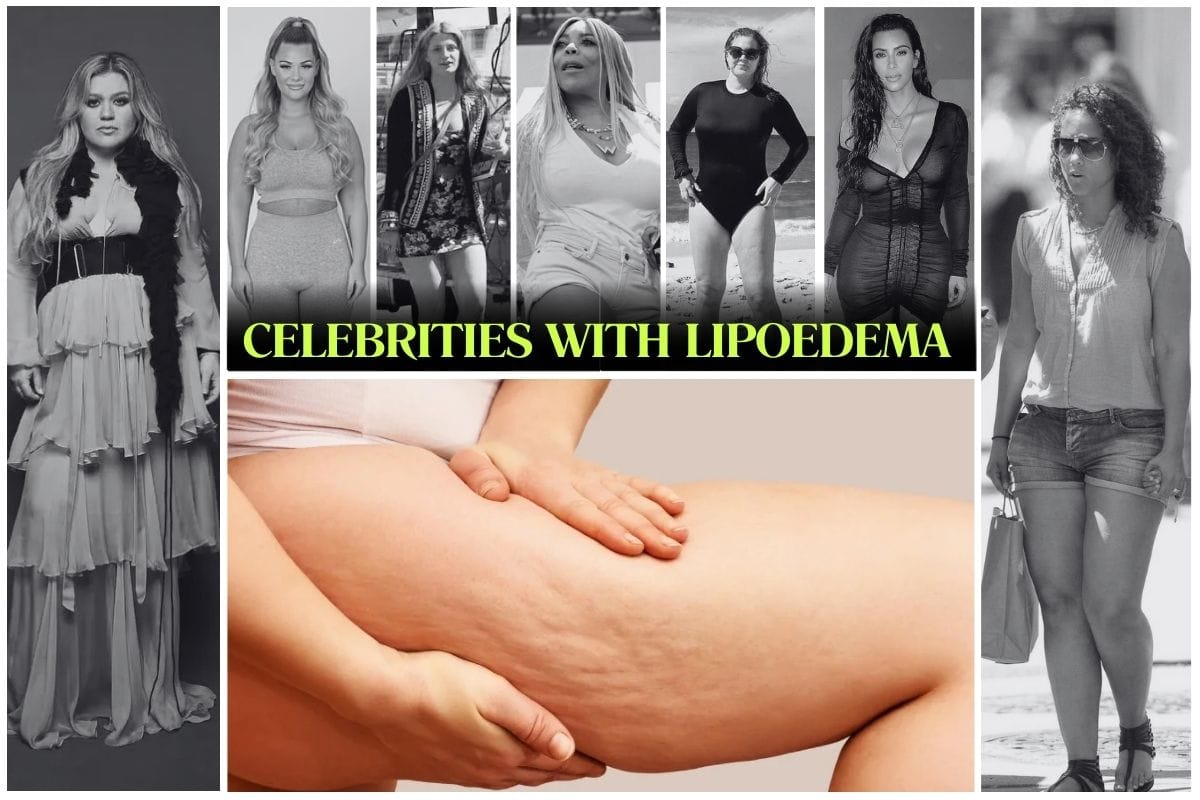
The first time most people hear the word lipoedema, it isn’t in a calm doctor’s office.
It’s in a changing room mirror, tugging at jeans that fit at the waist but refuse to climb over the thighs. It’s in a photo where the top half looks like one person and the lower half looks like another. It’s in a comment section, of all places. “Just lose weight.” “Go for a run.” “Stop making excuses.”
And honestly? That’s the punch in the gut. Because a lot of women do try. They diet, they exercise, and they cut back on everything that makes life fun. Still, their legs stay heavy. Their thighs stay tender. Bruises appear like little purple question marks. The feet stay weirdly untouched, like the swelling drew a neat line and stopped. The body doesn’t follow the rules.
In the UK, the NHS describes lipoedema as a long-term condition where fat builds up in the legs, thighs, bottom and sometimes arms, often on both sides, and it doesn’t behave like “normal” weight gain. Pain and easy bruising come up again and again.
And Lipoedema UK lays out the staging doctors use, with Stage 1 often looking smooth on the surface while the tissue underneath starts to change.
So why drag celebrities into it?
Because they’re the public mirrors. If a famous woman can be mocked for her “cankles” on telly, what chance does an ordinary woman feel she has at the GP? When a high-profile body gets picked apart, it teaches everyone else what “acceptable” looks like. And when even one famous person says, “This isn’t just me being lazy,” it gives other people language. It gives them the courage to ask for help. Or at least to stop blaming themselves.
One important note before we get into names: a few of the women below have spoken openly about swelling conditions or symptoms that overlap, while others are frequently discussed by lipoedema communities without a confirmed diagnosis. We’re going to keep that line clear as we go.
Now. Let’s talk about the celebrities with lipoedema who’ve shifted the mood, even when they didn’t mean to.
Also Read – Celebrities With Gynecomastia
What is Lipoedema?
Here’s the thing. Lipoedema (American: lipedema) isn’t just “fat on the legs”. It’s a medical condition where fat tissue builds up in a very particular pattern, usually on both sides, often sparing the feet. People describe heaviness, tenderness, and bruising that feels unfair.
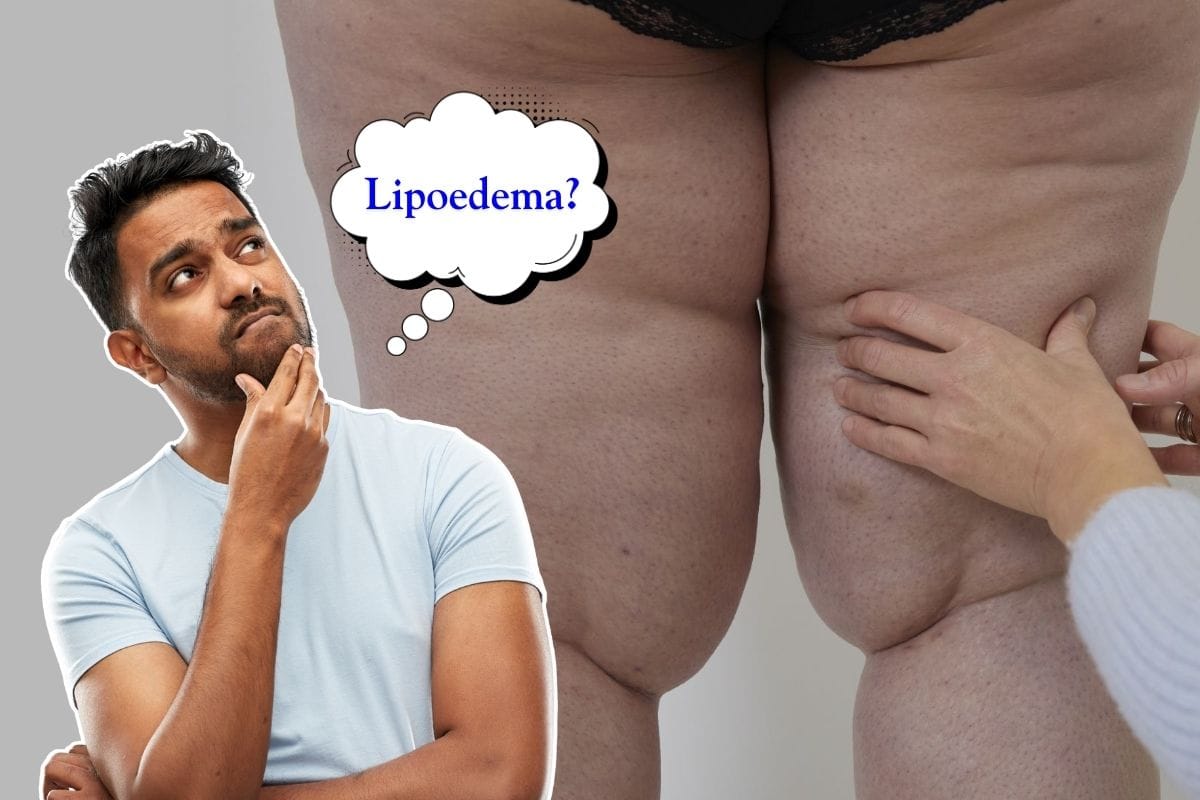
In Stage 1, the skin can look normal. That’s part of the problem. You can look “fine” while feeling sore and tight in places that don’t respond to the usual advice. Cleveland Clinic’s staging summary puts it plainly: early stages can include pain and bruising even when the surface still looks smooth.
And Lipoedema UK explains Stage 1 as the mildest stage in the standard staging system. So, it gets ignored a lot.
Early-stage 1 Celebrities with Lipoedema
Kelly Clarkson
Kelly Clarkson has spoken publicly for years about weight changes and health issues, including thyroid-related struggles. But a confirmed public statement from her specifically saying “I have lipoedema” isn’t easy to pin down in reputable reporting. Some sites present it as fact; others explicitly say it isn’t verified.
So what’s the value here?
It’s the pattern of conversation she represents. When a household name talks about the reality of body changes, medication, hormones, and the emotional toll, it chips away at the lazy idea that every body is a simple maths problem. People hear that and think, “Oh. Maybe my body isn’t broken because I’m weak.”
That shift matters, even when the diagnosis talk is online speculation rather than confirmed medical disclosure.
And yes, she often comes up in discussions about early-stage 1 celebrities with lipoedema, but treat that as community chatter, not a verified diagnosis.
Alicia Keys
Alicia Keys is another name that pops up a lot in lipoedema circles, mostly because of her strong, column-like leg shape in photos and performances. But again, a confirmed diagnosis from her isn’t established in solid sources, and it’s important not to turn a woman’s body into a medical case study without her saying so.
What is real is the cultural impact of how she carries herself. Keys has built a public identity around confidence, comfort in her skin, and refusing to apologise for how she looks. That kind of visibility helps people who’ve been told their legs are “wrong” start to see strength instead of shame.
Also Read – Celebrities with ADHD
Legs: Celebrities with Lipoedema
Shaughna Phillips
If you want a clear example of someone forcing this condition in the daylight, it is Shaughna Phillips. After rising to fame on Love Island, she became the target of relentless online bullying focused on her legs; a public “trolling” that Shaughna later revealed was actually a symptom of a medical condition she didn’t yet have a name for.
After fans reached out with their own suspicions, Shaughna was diagnosed with Stage 1–2 Lipoedema. She has since become a leading voice in the UK, documenting her journey with tumescent liposuction on her calves to remove the abnormal, painful fat that diet and exercise couldn’t touch. Her YouTube content and media interviews describe the physical reality of the surgery directly, but the part that truly sticks with people is her “why”.
She famously linked the public’s comments to her private “spiral”, making it plain that her decision to speak out wasn’t about vanity. It was about addressing chronic pain, swelling, and a condition that 1 in 10 women may have without knowing it.
By naming it and showing the unglamorous side of recovery, including medical compression and aftercare, Shaughna has turned her “biggest body hang-up” into a powerful tool for global advocacy.
Wendy Williams
Wendy Williams has openly discussed swelling and her diagnosis of lymphedema, including showing treatment and talking about the stigma of people commenting on her ankles and legs. ABC News covered her on-air announcement in July 2019.
And outlets like People described her sharing a photo of daily treatment around the same period.
Now, lymphoedema and lipoedema aren’t the same thing. They can overlap, and people sometimes have both, but it’s not responsible to label her with lipoedema unless she says so.
Still, her impact on this conversation is real. She showed the unglamorous part. The machine. The sleeves. The daily routine. The “yes, my legs swell, and no, I’m not hiding it” energy.
For a condition family that gets treated like a punchline, that’s a big deal.
Thighs: Celebrities with Lipoedema
Mischa Barton
Mischa Barton’s name comes up constantly in celebrity lipoedema lists, usually alongside commentary about lower body disproportion and years of tabloid scrutiny. But reputable sources don’t show her confirming a lipoedema diagnosis herself. Even advocacy-style sites that discuss her often phrase it as “not officially confirmed”.
So why include her?
Because she’s an example of the pressure cooker. The way the public reacts to body changes, the way women get reduced to “before and after” photos, the way health becomes gossip.
When people see that dynamic, some start asking a better question: “What if it’s medical?” That question alone can push someone to learn about lipoedema signs and seek a proper assessment instead of punishing themselves.
Amy Schumer
Amy Schumer hasn’t publicly confirmed lipoedema. What she has done is talk frankly about health issues that affect appearance and weight distribution, including her Cushing syndrome diagnosis, which she shared after people commented on her face looking “puffy”. In Entertainment Weekly, she reported her disclosure and the context around it.
Cushing’s isn’t lipoedema. Cushing’s is a different condition with a different mechanism.
But her story still lands for women stuck in the same emotional trap: strangers assume they know what your body “means”. They assume it’s lifestyle and it’s your fault.
Schumer basically said, “You don’t know what’s going on.” And she was right. Her openness encourages people to consider medical explanations for body changes, especially when the usual advice doesn’t work.
Weight Loss Celebrities with Lipoedema
Kim Kardashian
Kim Kardashian is frequently mentioned in online lipedema conversations because of her famous body proportions. But she has not confirmed a lipedema diagnosis, and some medical and advocacy sources have explicitly pushed back on claims that she has it.
So why is she in this article?
Because Kim Kardashian changed the beauty standard. Full stop. She helped turn curves and thick thighs from “flawed” to “desired” in mainstream culture. That’s complicated. It’s helped some women feel less ashamed of their shape while also creating a world where people copy a silhouette without understanding the pain that can come with a medical condition that looks similar.
This is where the conversation gets tricky and important. Visibility can reduce stigma. But it can also blur reality. Lipoedema isn’t an aesthetic. For many, it hurts. It bruises. It limits movement.
Kim’s influence sits right on that fault line, whether she asked for it or not.
Also Read – Celebrities with Treacher Collins Syndrome
Final Word
Here’s my take, and I’ll own it. The biggest win isn’t spotting celebrities with lipoedema in paparazzi photos. That’s not the job.
The win is this: fewer women assuming they’re failing at weight loss when their body is waving a medical flag. More people are recognising that leg pain and easy bruising aren’t “just part of being a woman.” And more GPs are taking lipedema seriously because patients have the words, the confidence, and the stubbornness to keep asking.
If any of this feels uncomfortably familiar, don’t do the internet spiral thing where you diagnose yourself at 2 am and then panic. Start smaller. Notice patterns. Read the NHS overview of symptoms and presentation.
And if you can, look at the guidance on staging and support through Lipoedema UK. Then talk to someone qualified.
Because life’s too short to spend another decade being told it’s “just weight” when your body is clearly saying something else.
Anyway, if you’ve ever looked at your legs and thought, “Why won’t you behave like the rest of me?” maybe the better question is, “Who taught you to blame yourself in the first place?”
References & Further Reading
- NHS: Lipoedema Guide – A clinical overview of symptoms and treatment in the UK.
- Lipoedema UK: The 1 in 10 Report – Vital resources for staging and finding a specialist GP.
- Entertainment Weekly: Amy Schumer’s Cushing Disclosure – Context on how public scrutiny leads to medical discovery.
- ABC News: Wendy Williams on Lymphedema – Official announcement of her lymphatic health journey.
- People Magazine: Wendy Williams shares photo of lymphedema treatment
- Shaughna Phillips: Lipoedema Surgery Vlog – A firsthand account of Stage 2 Lipoedema surgery and aftercare.
- TODAY Show: Kelly Clarkson discusses thyroid condition and weight
- News Not Noise: Exclusive: Amy Schumer on her medical journey
- The Sun: The 2017 Mexico Photos and the Body Image Conversation