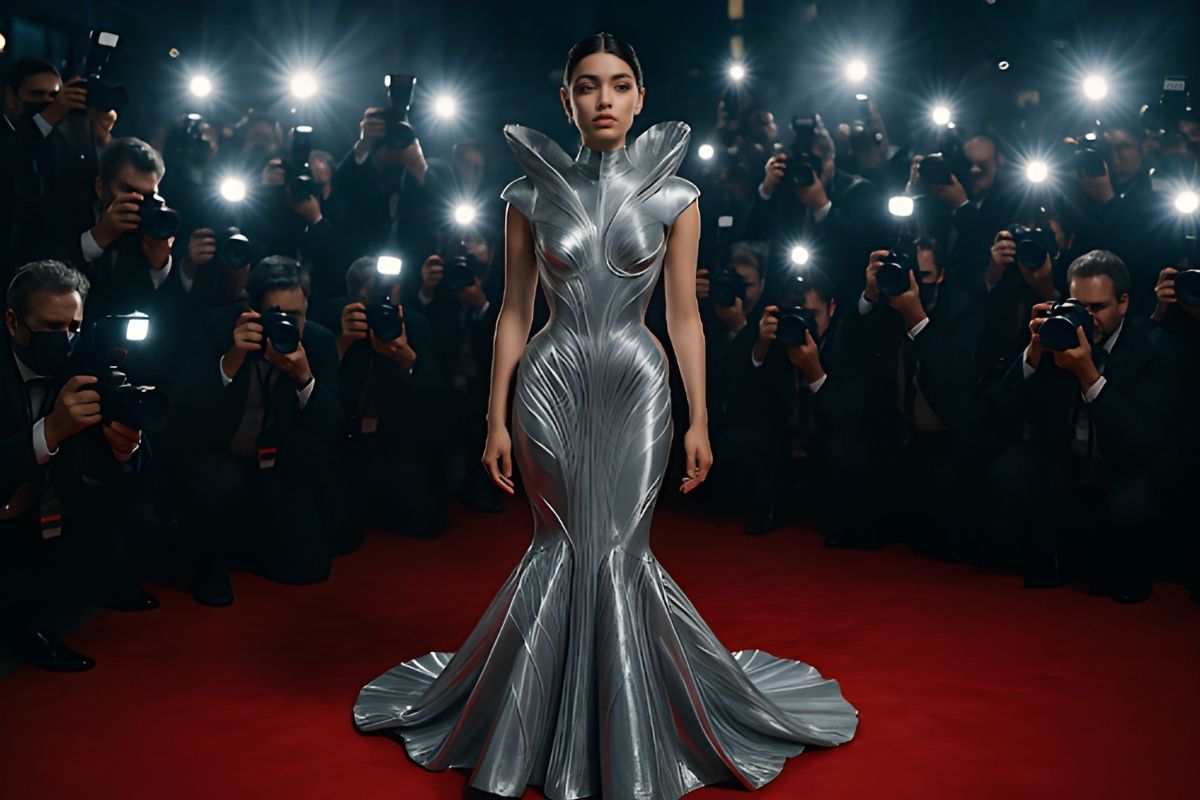
Until relatively recently, celebrity fashion was controlled almost exclusively by magazine editors and established couture houses. A trend would make its way down the runway in Paris or Milan, trickle down onto the respective red carpets of London and Los Angeles, and eventually make its way into the public’s closet many months later. In the digital age, this hierarchy has been completely dismantled. Today, the cycle is instantaneous, chaotic, and powered in large part by the specific influence of Gen Z celebrities who have mastered the art of viral aesthetics.
From Hailey Bieber’s glazed doughnut skin to Zendaya’s thematic “method dressing,” modern stars aren’t just wearing clothes; they are curating eras. This has pivoted celebrity culture into a quick-moving succession of “cores” and “aesthetics” that influence not only what we buy but how we perceive beauty, luxury, and authenticity. Let’s delve into how today’s biggest stars are transforming the industry and how these trends resonate worldwide.
The Reign of the “Clean Girl” and Its Evolution
For the better part of the past two years, social media feeds and celebrity tabloids were dominated by the “Clean Girl” aesthetic. Spearheaded by stars like Hailey Bieber, Sofia Richie Grainge, and Kendall Jenner, this look was characteristic of minimalism: slicked-back buns, “no makeup” makeup looks, solid neutral colours, and an emphasis on glowing skincare rather than heavy contouring.
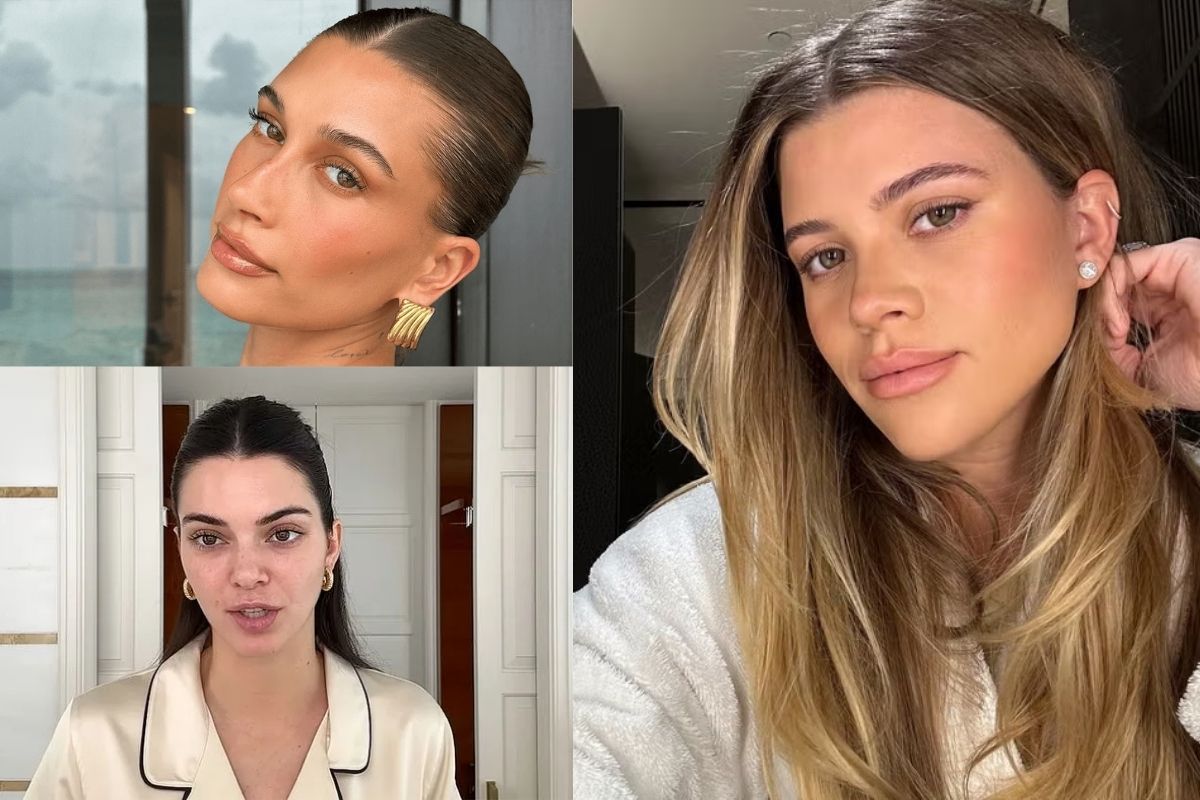
Arguably, this was a reaction to the chaotic world post-pandemic: a feeling of control, of polished perfection. The celebrity skincare lines reached stratospheric popularity as fans wanted in on emulating their icons in effortless, glowing radiance. But fashion is cyclical. Just as the world grew accustomed to beige blazers and gold hoop earrings, the pendulum swung violently in the opposite direction.
By early 2024, we had maximalism in overdrive. The “Mob Wife” aesthetic-popularised by stars like Dua Lipa and influencers on TikTok-suddenly made faux fur coats, messy hair, bold red lips, and animal prints the look of the moment. That swift pivot illustrates the peculiar power of the modern celebrity: they don’t just follow the seasons; they create micro-trends that can last as little as a few weeks. To the average consumer, keeping up is a dizzying task, yet the engagement these shifts generate for celebrity news platforms is unprecedented.
“Method Dressing”: The Red Carpet as Storyboard
But perhaps one of the most interesting recent evolutions in celebrity fashion has to be the idea of “method dressing.” The term mostly came into vogue through the efforts of Zendaya and her stylist, Law Roach. In the press tours surrounding films like Dune and Challengers, for instance, Zendaya didn’t just wear nice dresses; she dressed as the film. From archival Mugler robot suits to tennis-core ensembles, each appearance was a narrative extension of her work.
This has trickled down into the industry. We saw Margot Robbie doing the same for the Barbie movie, recreating specific doll outfits for every premiere. The result is that every photo op becomes a viral moment, and the press coverage is maximised. It is brilliant marketing, really-the proof that fashion has become a central pillar in movie promotion. Other stars, including Anya Taylor-Joy and Florence Pugh, have followed suit, using their clothes to create characters even when they are off-screen. This theatricality has brought the fun back to the red carpet, which for a few years had become somewhat safe and predictable.
The Global Ripple Effect: How Trends Travel to Europe
While these trends originated in celebrity hotspots such as Los Angeles, New York, or London, nowadays they are truly global. The speed with which information travels means that a teenager in Berlin, a university student in Vilnius, or a fashion blogger in Madrid is dissecting these looks in real time.
That is what makes this global fashion conversation so interesting: celebrity style interpretation does indeed vary by region. For example, in the UK, you often get a grittier, eclectic mix, a real combination of high fashion and street style. Mainland Europe, by contrast, often filters these loud Hollywood trends through a lens of classic sophistication.
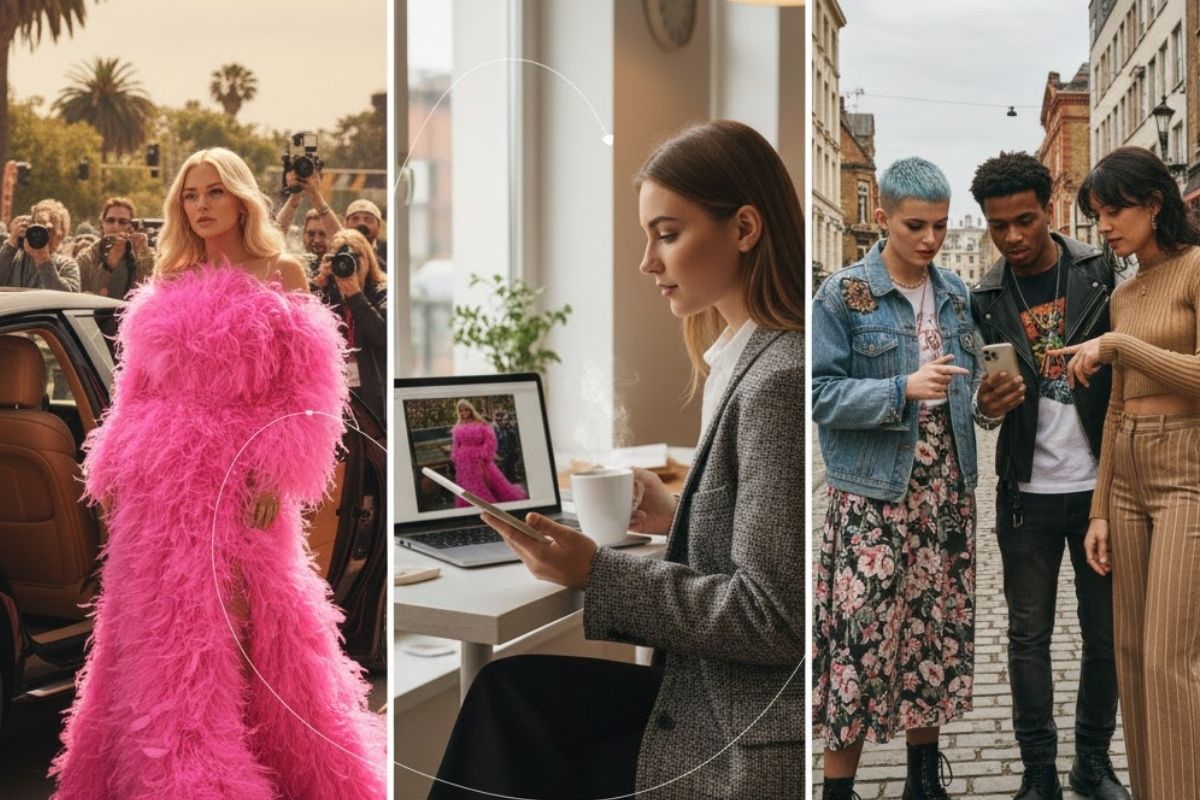
The interesting thing is how digital media today plays a vital role in translating these trends from Hollywood for local audiences. Major lifestyle platforms across the continent do way more than just repost photos; they explain to their readers the cultural context of these styles. Popular lifestyle portals, like the Lithuanian site panele, frequently run deep dives on celebrity transformations, giving young women in the Baltic region a localised take on a global phenomenon. Whether it’s dissecting the latest Met Gala looks or offering budget-friendly alternatives to Kylie Jenner’s outfits, regional publications are where it’s at. They close the gap between the faraway world of Hollywood celebrity and the everyday reality of European readers, proving that style is a universal language spoken differently in every country.
Authenticity and the “Anti-Celebrity” Movement
But beneath all of the prettied-up aesthetics and the controlled press tours, there has emerged a consciousness corrective-driven by stars who aren’t buying into the perfection charade. If there’s one thing defining this generation’s celebrity culture, it’s a yearning for authenticity.
Take Billie Eilish, for instance, who took to wearing baggy clothes for years to avoid body shaming, only to flip the switch and show her entirely different aesthetic on her terms and thus created compelling discussions around agency and self-image. There is also the fact that Gen Z celebrities like Paul Mescal and Jacob Elordi ushered in a laid-back, near-drumpled look that dismisses the grooming of former male heartthrobs.
This “anti-celebrity” energy trickles down to social media, too. Stars are posting more and more “photo dumps,” a collection of blurry, unfiltered images that hint at the messy reality alongside the glamour. It’s parasocial-a friendship accrued through media, one in which fans become closer because of this proximity. When Selena Gomez posts a makeup-free selfie or talks forthrightly about her mental health, it gets more engagement than a professional photoshoot. It’s the signal of what audiences want: for their icons to be aspirational, sure, but relatable and human.
The Sustainability Conversation: Vintage is the New Luxury

Finally, it is impossible to speak of modern celebrity style without touching on the subject of sustainability. As the climate crisis becomes a priority for younger generations, so too are celebrities expected to reduce their carbon footprint. This has led to a recent explosion in vintage fashion on the red carpet.
Undoubtedly, Bella Hadid is the queen of this movement; you’ll often spot her being photographed wearing archival pieces from the ’90s and 2000s instead of brand-new collections. Celebrities using vintage items are signifying that they are indeed aware of all the waste that the fashion industry produces. It also means a way for them to wear unique pieces and avoid the growing embarrassment of wearing the same dress as someone else.
Events like the Green Carpet Fashion Awards are gaining prominence, and we are seeing more stars re-wearing outfits practice once taboo in Hollywood. Cate Blanchett and Kate Middleton are praised for recycling gowns for major events. This shift renders celebrity fashion more accessible in a philosophical sense: it encourages fans to thrift and reimagine their own wardrobes rather than constantly buying new items.
Conclusion: The Future of Stardom
The landscape of celebrity fashion and lifestyle moves quickly than it ever has before. It is no longer enough to be famous; you have to be a tastemaker and a storyteller and, arguably, a moral leader. From Zendaya’s method dressing to the “Clean Girl” vs. “Mob Wife” wars, how the stars present themselves offers a window into broader cultural shifts. The line will continue to blur between celebrity and influencer as we look ahead to the future.
But one thing does stand consistent: the world is watching. Whether through the lens of a paparazzo in London or via the screen of a smartphone browsing portals such as Panele, the global fascination with the lives and styles of the rich and famous doesn’t show any signs of abating. The only question is: what “core” will we all be obsessing over next month?