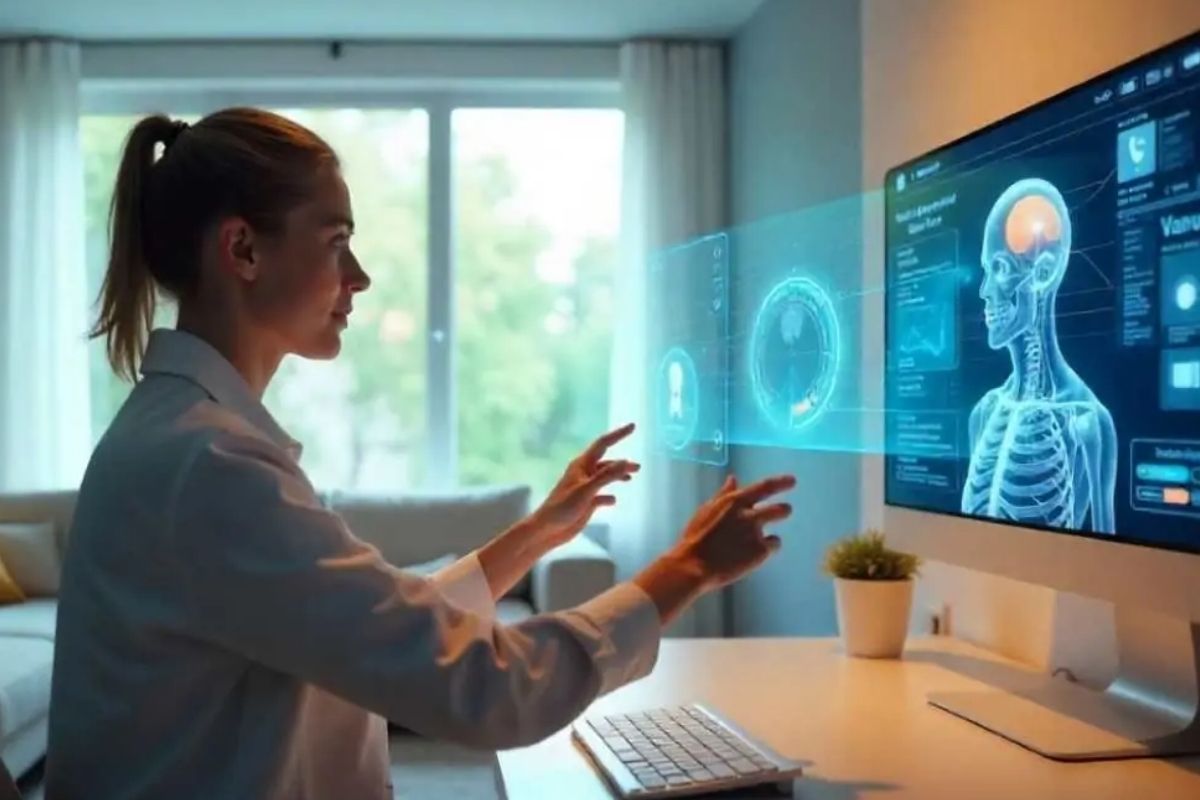
In a very short span of time, Artificial Intelligence has moved from a concept of the future to a present need. Now, it plays the most integral role in daily living, working, and learning for that matter, communication. Using an assistant on your smartphone, getting recommendations on certain products online, or managing smart home devices, AI has influenced day-to-day decisions in subtle yet powerful ways.
The more AI is involved in our daily routine, the bigger the question arises in people’s minds: Is AI good or bad in our lifestyle?
The truth is, AI is neither intrinsically good nor bad; it actually depends on how a human designs, controls, and depends on it. Much as AI brings in remarkable advantages in comfort, efficiency, and personalisation, it also raises very serious concerns related to privacy, dependency, job displacement, and emotional health. Understanding both sides will enable us to use AI wisely.
How AI Is Improving Our Lifestyle
1. Convenience and Saving Time
Arguably, the biggest contribution AI has made to modern lifestyle is convenience: for example, smart assistants remind and set appointments; they even answer questions forthwith. Such tasks that hitherto required much physical effort or long queues—paying bills, ordering food, travelling—are today possible with a few clicks or voice commands.
The use of AI reduces daily stress from repetitive tasks, allowing human beings to undertake more rewarding activities.
2. Personalised Experiences
AI has revolutionised the online experience, making it all about personalisation: streaming services give movie suggestions that are tailored to an individual’s tastes, online retailers make product suggestions based on a user’s history, and social media news feeds adjust to interest.
These personalisations save time, enhance satisfaction, and make the interactions more efficient and enjoyable.
3. Improved Health and Wellness
It helps doctors in the early and more efficient detection of diseases in healthcare. AI-powered medical imaging systems can identify such patterns that human eyes often can’t. The analysed patient data then recommends optimised treatments.
Other health applications further let people monitor daily activities, heart rates, and sleep cycles to keep them in healthier conditions. Telemedicine helps rural and busy populations access digitally delivered healthcare services, thereby improving declining healthcare access.
4. Smart Homes and Urban Living
AI has redefined what homes are in this day and age. Lighting, heating, and cooling can be controlled from afar. Smart cameras detect unusual movement on their own, while energy systems help reduce overall electricity consumption. Artificial Intelligence is also redefining cities: better traffic management, less pollution, and more public safety.
5. Education Revolution
AI-powered platforms have started transforming the way education is imparted: lessons tailored for individual learning capabilities and virtual assistants when the teacher is not available. The students are provided with instant feedback, and they study at their own speed. AI performance assessment helps the schools create customised education techniques.
6. Transportation and Travel
AI-powered navigation systems will route using live traffic information to take the least time. Airlines use AI in flight scheduling, maintenance, and customer service. Autonomous vehicle technology is the next revolution in transport that promises to reduce accidents and congestion.
The Dark Side of AI in Lifestyle
1. Data Privacy Threats
Artificial Intelligence collects masses of personal information that, if not well protected, may be abused, leaked, or sold. When privacy systems go wrong, individuals stand to lose control over information about themselves.
2. Overdependence & Reduced Thinking
Overdependence on AI erodes human independence, wherein, instead of ‘thinking’, people are increasingly getting reliant on search engines and route navigation systems. This can reduce problem-solving abilities over time.
3. Less Human Interaction
AI now dominates many roles of human service. Chatbots, automated machines, and online platforms have minimised physical communication. It contributes to social isolation and emotional detachment, particularly among the younger generation.
4. Job Automation Concerns
AI-driven automation continually threatens industries, from factory workers and clerical staff to customer service workers and many more. While AI creates new career paths, many workers do not have the appropriate skills to move into these positions.
5. Algorithmic Bias and Ethics
AI systems reflect biases in the data they were trained on, whether it be employment screening, education evaluation, or even financial approvals. These ethical challenges require transparency and regulation.
6. Mental Health Impact
Social media algorithms, built to increase screen time even more, amplify anxiety, addiction, and depression; people seek artificial validation instead of actual achievement. Loneliness is a big problem that has grown in the digital world.
So, is AI good or bad in our lifestyle?
It is neither villain nor saviour. AI is a tool tool much like electricity or the Internet. The consequences will depend, in the end, only on human decisions. Used responsibly, AI improves lives; used carelessly, it harms mental health and freedom. It’s about control, not addiction.
How to Apply AI in a Healthy Way
To enjoy AI benefits responsibly:
• Personal data protection
• Questioning AI results
• Limit screen exposure
• Keep genuine social interactions
• AI as a helper and not a boss
• AI Safety
• Continuously upgrading skills
Also Read – Modern Lifestyle Tips for a Balanced and Fulfilling Life
Conclusion
Performing its role of changing lifestyles more quickly than anything in the history of humankind, it will continue to strengthen its role within society. Whether this growth enhances or diminishes daily life is a factor not of technology of human choice. Thus, the question remains: Is AI good or bad in our lifestyle? The answer is simple: AI reflects our behaviour; it becomes useful or destructive based on the way in which we utilise it. A future depends not on the intelligence of machines but rather the wisdom of the humans controlling them.