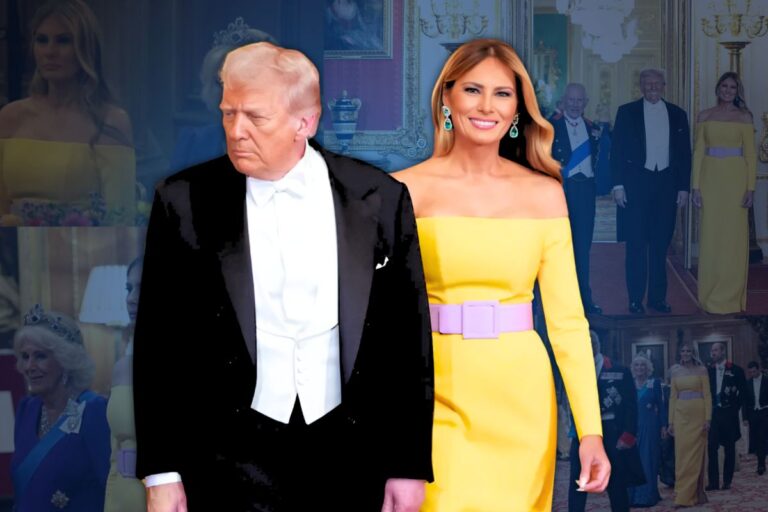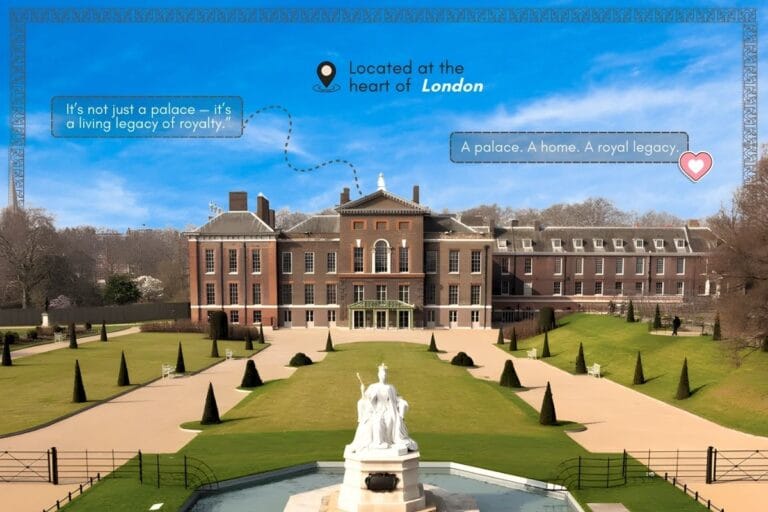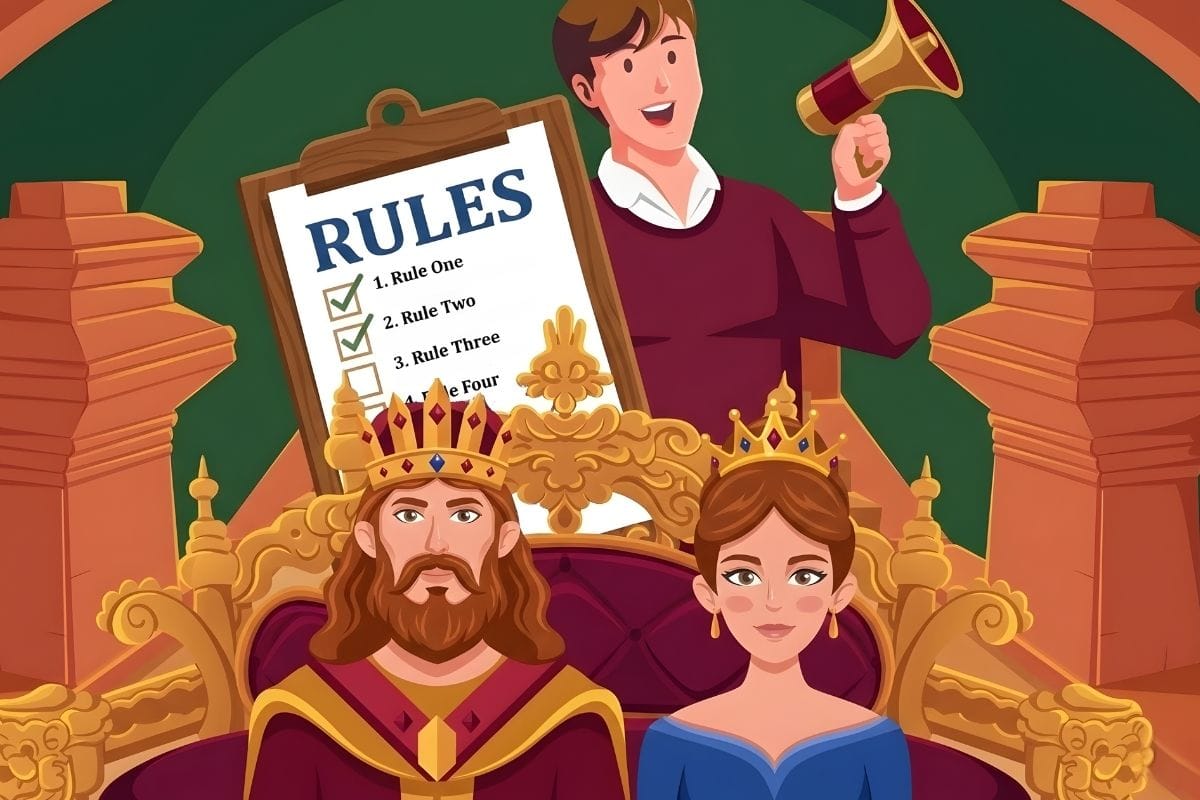
Ever wondered what it’s actually like to de a living, breathing monument? Every morning, when you wake up and go about your day, a series of unwritten laws many hundreds of years old dictate what your breakfast will be like and how you wave at a crowd or the person with whom you’re boarding an aeroplane. That’s a bit of a puzzle, no? That glitter you see behind the gilded carriages and pristine smiles is a shiny patina over an ascetic realm of iron discipline that would make a drill sergeant sweat.
In March 2026, the monarchy is confronted with a unique dilemma. King Charles III is advocating for a gentler, more “modern” Firm, but the ancient protocols are more stringent than anyone might have anticipated. These protocols extend beyond simple dining table etiquette. The purpose of these royal family rules is to protect the crown itself. If a single heir travels on the wrong plane or a princess wears the wrong shade of nail polish, the ripple effects can be felt across the Commonwealth.
Honestly, it’s a high-wire act. One mistake, and you’re no longer an individual who erred; you’re a representation that’s crumbling. Let’s part the velvet curtain and examine the actual rules these people abide by that maintain the “magic” and keep the succession safe.
Key Takeaways: The Royal Family Rules at a Glance
| Category | The Rule | The Reason |
| Travel | Heirs cannot fly together | Protecting the line of succession |
| Safety | Always pack a black outfit | Ready for sudden mourning |
| Diet | Avoid shellfish on tour | Preventing food poisoning |
| Social | No autographs | Safety against forgery |
| Dining | Stop eating when the King stops | Centuries of court tradition |
The Succession Shield: Why Heirs Fly Solo
The most chilling rule in the palace playbook is the one about travel. You’ll rarely see King Charles and Prince William on the same aircraft. Why? Because if that plane goes down, the monarchy loses its leader and its immediate successor in one fell swoop. It’s a cold, hard safety measure that feels a bit morbid, but it’s non-negotiable.
Now that Prince George has turned twelve, the pressure is on. Traditionally, once a royal child hits that age, they have to stop flying with their parents. While William and Catherine have tried to keep their family together for as long as possible to give the kids a “normal” childhood, the palace advisors, the “men in grey suits,” are reportedly tightening the leash. It’s about ensuring that the line of succession is never, ever broken by a single mechanical failure.
The Wardrobe of Duty: No Jeans, No Cleavage, No Drama
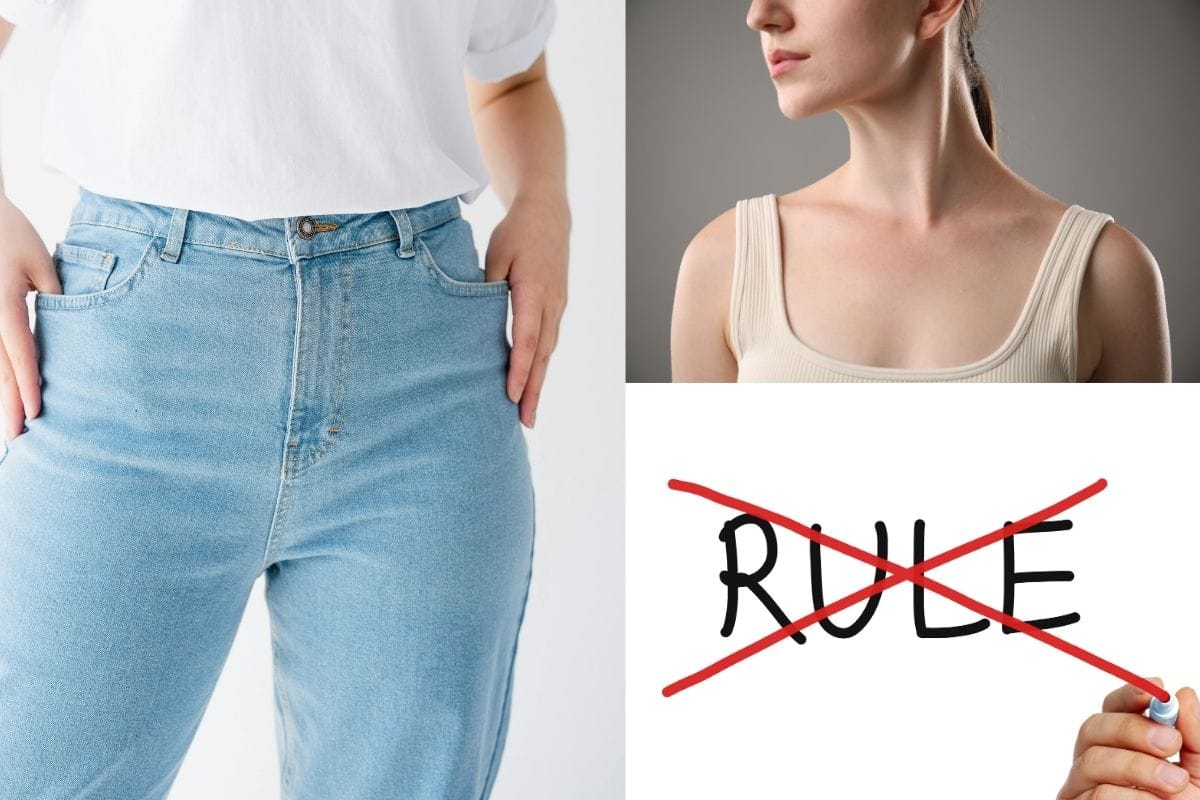
Fashion in the Royal Family doesn’t mean being a trendsetter; it means being a representative. There’s a reason you never see the Princess of Wales in torn jeans or a low-cut dress at a public function. It’s simply not allowed. Modesty is the absolute law.
- The Clutch Guard: You’ll spot royal women often holding a small clutch bag with both hands. This custom isn’t just for style. It’s genius because that way, if you’re in a hurry, you don’t have to shake hands with everybody. Princess Diana famously used her handbag to cover her chest from photographers while getting out of cars.
- The “Black Bag” Protocol: Wherever a royal goes, a complete black mourning outfit must be packed. Always. It began when the late Queen Elizabeth II was in Kenya, her father died, and she found herself with nothing suitable to wear for the journey home. Now they’re ready for the worst around the clock.
- Nails and Hair: Bright red or neon nail polish is out, out, out. And only neutral (“nude”) tones are allowed to maintain a clean and professional appearance. Hair should be neat; “”squoval”-shaped nails are the standard.
Dining and Diplomacy: The Garlic Ban and the Monopoly Feud
Dinner at the palace is a minefield of etiquette. First off, if you’re cooking for the King, leave the garlic and onions in the pantry. To ensure their breath is fresh for the hundreds of people they have to meet, the royals generally avoid pungent foods while on duty.
And then there’s the shellfish. While it’s not an “official” law, senior royals are strongly advised to skip the oysters and lobster when they’re travelling. One bad prawn could lead to a bout of food poisoning that cancels a month of state visits. In 2026, King Charles took this a step further by banning Foie Gras from all royal residences because of his environmental and animal welfare stances.
But the weirdest rule? No Monopoly. Seriously. Prince Andrew once let slip that the family isn’t allowed to play the board game because it gets too “vicious.” When you’re part of a family that literally owns half the land in the country, maybe a game about property hoarding hits a bit too close to home.
The 2026 Shift: Selfies and Social Media
Things are changing, though. Under the “modernised” protocol of 2026, the strict ban on selfies has finally started to crumble. While the late Queen found them “disconcerting”, William and Catherine have realised that a quick snap with a fan is worth more than a thousand formal portraits in terms of public PR.
However, don’t expect them to start an official “Royal Instagram” where they post what they had for lunch. They are still forbidden from having personal social media accounts. Every post is vetted, curated, and designed to support the “brand”. They have to remain politically neutral, too. They don’t vote, and they certainly don’t tweet their opinions on the latest government policy.
FAQ
Why can’t they sign autographs?
It’s a security thing. A royal signature can be forged for official documents or used for fraud if released. They may sign a guest book, but not your t-shirt.
What is the “Duchess Slant”?
It’s a certain style of sitting where the knees and ankles are brought together and slanted toward one side. It’s more modest and looks better in photos than crossing your legs at the knee.
Do they have to bow to each other?
Yes, but only to those who outrank them. Even within the family, the children are taught to bow or curtsy to the King and Queen the first time they see them each day.
Can they marry whoever they want?
Not exactly. Under the 2013 Succession to the Crown Act, the first six people in line to the throne must get the monarch’s formal permission before they tie the knot.
Living the Tradition
At the end of the day, these royal family rules are what separate a “celebrity” from a “royal.” A celebrity can do what they want, say what they want, and wear what they want. A royal has to be a reflection of the nation’s history.
Look, it’s easy to mock the idea of not being allowed to play Monopoly or having to pack a black dress for every holiday. But for such people, these rules serve as the guardrails of their lives. Amid an ever-shifting landscape, the monarchy needs these traditions to show that they are something else — something eternal. It’s a heavy crown to wear, and frankly, I think I’ll just be happy with my garlic pasta and messy jeans.
Sources & References
- Greeting The King and Queen: Official Codes of Behaviour – The definitive guide from the Royal Household on the etiquette of bows, curtsies, and formal address when meeting His Majesty in person.
- Prince George’s 12th Birthday: The Separation of Heirs – A detailed breakdown of the safety protocols that came into effect for the young prince in 2025/2026 regarding separate air travel from Prince William.
- King Charles III: Modern Protocol and Public Hugs – An insightful look at how the current monarch is relaxing certain “unwritten” rules, including the historical ban on selfies and public embraces.
- Forbidden Foods: Why Shellfish and Garlic are Off the Menu – Expert commentary from former royal chefs and butlers on the dietary restrictions enforced during official state tours and public duties.
- The Black Outfit Rule and International Travel Protocol – The history behind the mandatory mourning attire and why it remains a non-negotiable part of the royal luggage for every overseas trip.
- Royal Warrants and the 2026 Power Shift to William and Kate – Latest news from early 2026 regarding the King’s decision to grant the Prince and Princess of Wales new authority over British brand endorsements.