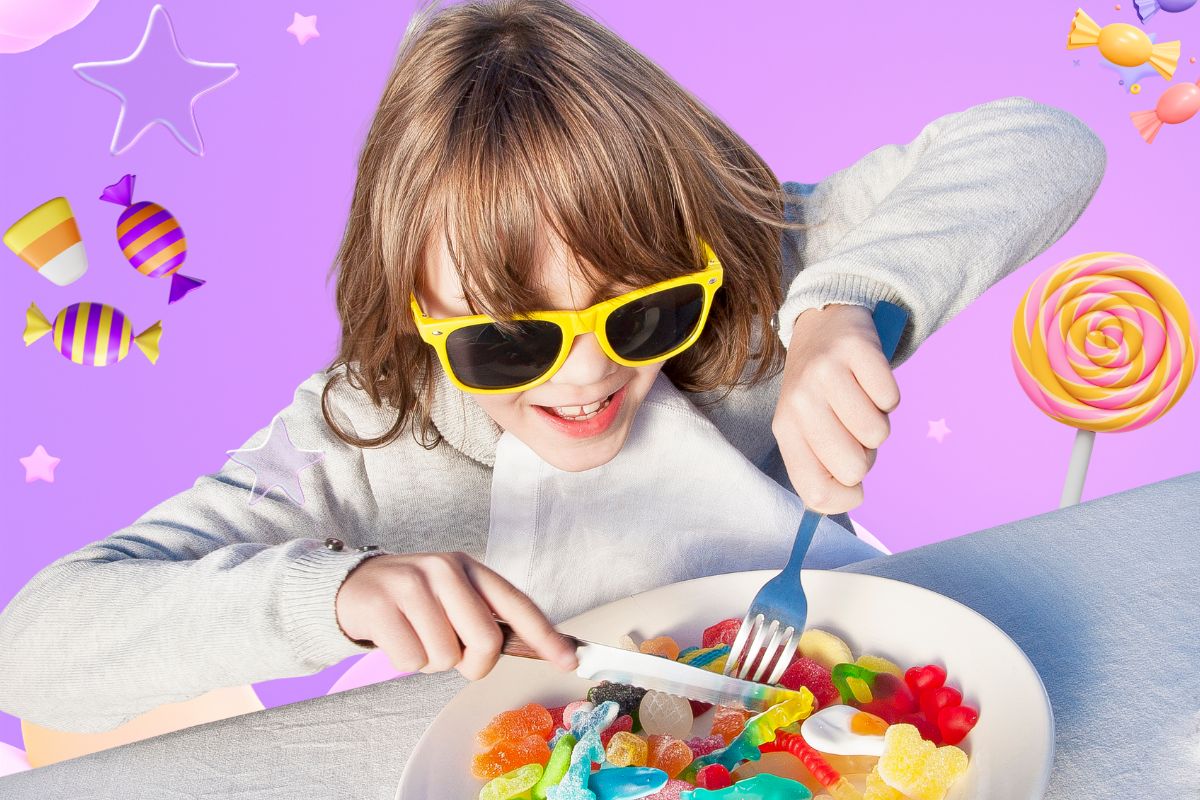
Alright, here’s the deal with European candies: at first glance, they just look like your average candy, right? But, man, there’s way more going on than meets the eye. If you start poking around, you’ll find this wild mix of history, obsessive craftsmanship, and a full-on sensory experience – plus a dash of tradition that’s stubbornly hanging on. They aren’t just a quick sugar fix. Nah, they’ve wormed their way into the fabric of European food culture. People munch on them everywhere – kids at street fairs, grown-ups sneaking a few at their desks. Everybody’s in on the secret.
Now, the whole Chewy candy thing in Europe really got rolling in the early 1900s. Confectioners were basically the mad scientists of their time, always trying new stuff. Sure, there were already soft candies around, but the moment gelatin showed up? Game-changer. Suddenly you could get that bouncy, chewy vibe – the kind that has you coming back for “just one more” until the bag’s empty. This wasn’t just about getting the texture right; it was like a badge of honour for family-run sweet shops and old-school candy guilds. They started taking candy-making seriously, passing down recipes like family heirlooms. Each new generation would tweak things, trying to outdo the last.
How Regional Taste Shaped a Continent of Chewy Candies
Europe’s patchwork of culinary traditions shows up in chewy aisles too.
- Central Europe leans tangy, with blackcurrant, sour cherry, and apple standing out.
- Northern Europe blends candies with liquorice culture, including salty and herbal notes that surprise newcomers but feel deeply nostalgic to locals.
- Western Europe gravitates to citrus and berry mixes with balanced sweetness and gentle acidity.
- Southern Europe often adds Mediterranean flair, from citrus peels to floral hints that echo pâtisserie and fruit-preserve traditions.
These differences kept candies fresh and exciting as they spread. Instead of one dominant profile, Europeans encountered a rotating cast of textures and tastes – soft marshmallow-chewy hybrids, firm wine gums, pectin jellies that feel almost patisserie-level, and extra-sour assortments for adventurous palates.
Why does Chewy Candy Appeal to Every Age
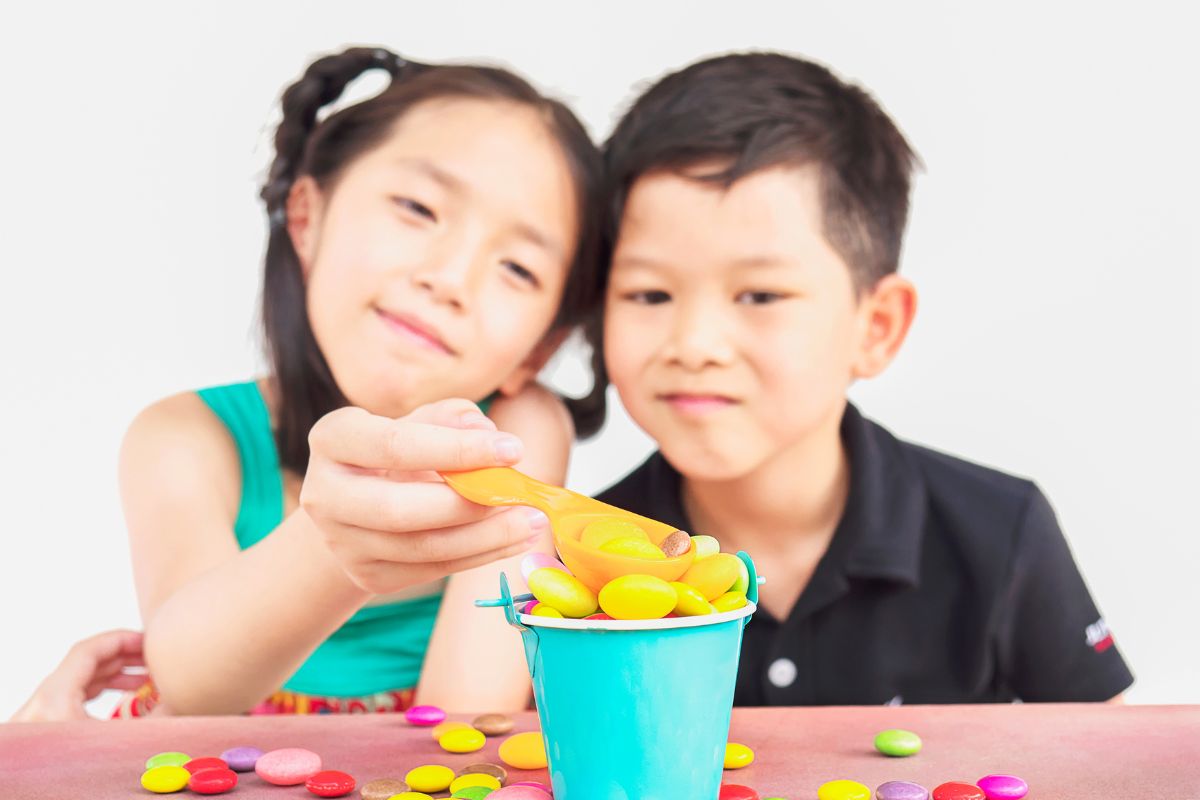
Children love the shapes and colours. Adults love the permission to play. Chewy candies are shareable, portionable, and endlessly remixable. A few pieces can sweeten a commute or punctuate a long workday without turning into a heavy dessert. Shapes trigger emotion – bears, rings, hearts, bottles – while textures keep the experience engaging. There’s also a social ritual: offering a handful to friends, trading favourite flavours, and discovering limited seasonal mixes together.
What Nostalgia Has to Do With Popularity
European Chewy candies often tie back to childhood memories: market stalls on winter evenings, paper cones at summer fairs, and small rewards after school. That emotional connection carries forward. Even as tastes grow more sophisticated, people return to candies for a specific feeling – lightness, familiarity, a momentary time machine. The category’s popularity isn’t just about sugar; it’s about memory.
How Innovation Kept Momentum Going
Popularity can stall without innovation, and European confectioners rarely stand still. Three areas drove modern growth:
- Texture innovation with layered foams, liquid-filled centres, and dual-density bites.
- Flavour exploration, including herbs, spices, and sophisticated sour profiles that taste more like grown-up cocktails than kiddie candy.
- Dietary and ethical options such as plant-based gelling agents, reduced-sugar recipes, and natural colouring derived from fruits and vegetables.
These options widened the audience and kept candies in the conversation as consumers sought treats that fit new lifestyles.
Where Digital Shopping Changed the Game
E-commerce turned local favourites into global staples. Shoppers can now explore regional assortments that once required travel, discover seasonal mixes, and compare ingredient lists with a few clicks. Fans looking to find Haribo products online often stumble into a wider universe of European Chewy candies – sparkling colas from Germany, tart berry mixes from Scandinavia, and elegant fruit jellies with pâtisserie roots. Online availability broadened access without diluting identity; makers still highlight provenance and craft while meeting modern convenience.
Also Read – Clear Braces Treatment
What Sets European Candies Apart on the Label
Reading labels offers clues to quality:
- Pectin vs. gelatin tells you about texture. Pectin leads to a cleaner, jam-like bite; gelatin brings bounce.
- Acids and fruit juices – citric, malic, tartaric – shape brightness and length of flavour.
- Natural colours from carrot, beet, spirulina, safflower, and blackcurrant create nuanced hues without over-saturation.
- Sugar balance matters more than raw sweetness. Well-made candies are flavorful first, sweet second.
These choices echo broader European food values – clarity of flavour, restraint, and respect for ingredients.
How Festivals and Markets Kept Tradition Alive
Street markets and seasonal fairs sustained chewy candies long before supermarkets took over. Open bins and scoops allowed personalisation, with shoppers building their own mix by texture, sour level, or colour palette. Market culture encouraged tasting and talking, turning candy buying into a social act. Even today, Christmas markets and summer fairs revive that tradition, helping new generations connect candies with moments rather than mere purchases.
Why Sensory Design Matters
Great Chewy candies feel designed for the senses.
- Sight draws the hand first – gemlike translucency and inviting shapes.
- Touch sets expectations – light tack without stickiness, a satin surface from a fine wax finish.
- Smell previews flavour through citrus oils or berry esters.
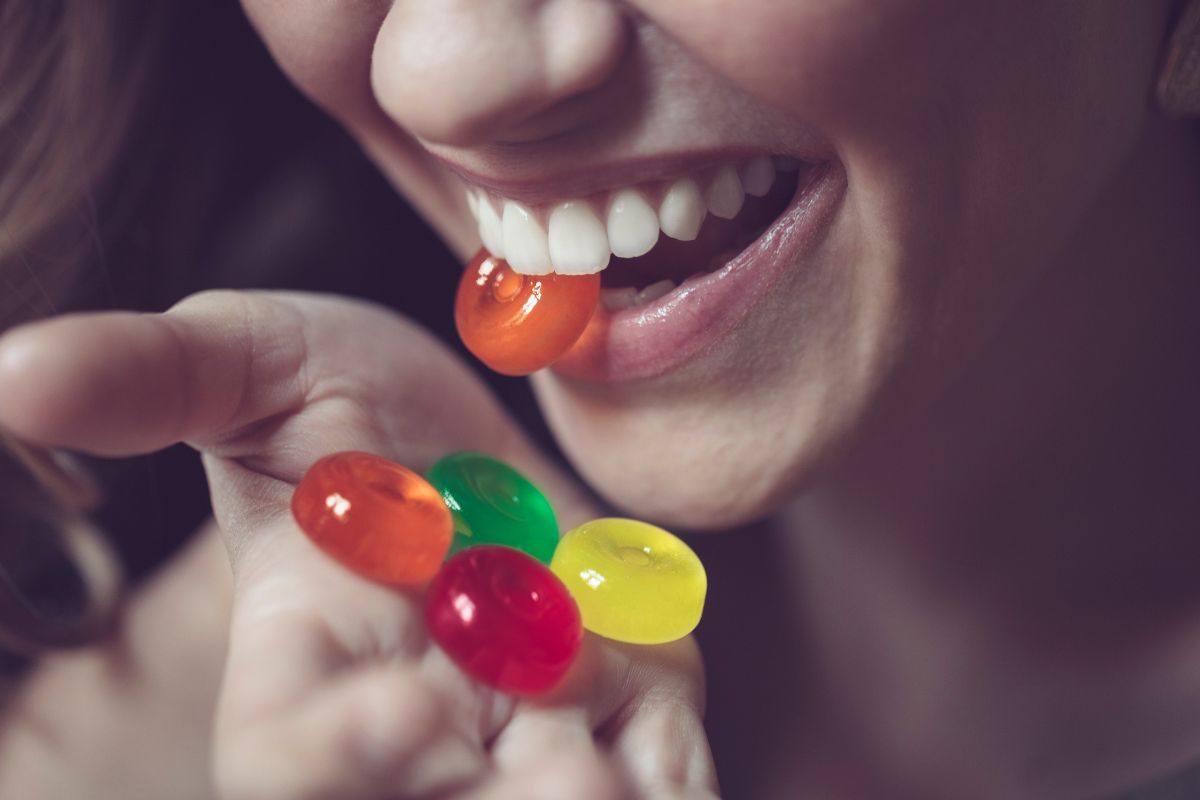
- Taste and retronasal aroma deliver layers that evolve as the chew warms, releasing acidity and fruit notes over time. This sensory pacing is why a small handful can feel more satisfying than a bigger, flatter sweet.
How to Choose Candies Like a Pro
- Scan the first five ingredients to see whether flavour or filler leads the way.
- Match texture to mood: pectin for clean, tender bites; gelatin for bounce; marshmallow layers for softness.
- Favour sour blends when freshness is the goal – acids sharpen perception and reduce the need for heavy sweetness.
- Try country-specific assortments to learn regional styles rather than buying a single globalised mix.
- Buy smaller amounts more often so flavours stay bright and textures don’t stale.
Popularity
What Sustainability Looks Like in Candy
Alright, let’s be real – nobody’s reaching for a bag of candies thinking it’ll save the world, but hey, that doesn’t mean candy can’t do its part. You’ve got these crafty candy makers messing with everything from plant-based gels that jiggle just right to sugars that don’t come with a side of rainforest destruction. Some are teaming up with fruit growers, scooping up leftover purées, and turning what would’ve been waste into chewy, fruity magic. Others are basically scientists, tweaking recipes to use less sugar without making your mouth sad. The thing is, nobody’s trying to rebrand Chewy candies as kale chips. It’s all about making those sweet moments a little less guilty – like, “Yeah, I’m having candy, but at least the wrapper won’t outlive me.”
And the packaging? Oh man, it’s getting smarter every day. We’re seeing more wrappers you can actually toss in the recycling bin without feeling like a climate villain. Some brands are even going the compostable route, so if your snack accidentally ends up in the garden, no biggie. It’s baby steps, but honestly, it adds up if enough of us jump on board.
Why Popularity Endures
So, why can’t folks get enough of European Chewy candies? It’s this killer trio: craft, fun, and trust. Craft is huge – these aren’t just sugar blobs, they’re made with real care. You can actually taste the difference; it’s like the jump from instant coffee to a legit café espresso. Then there’s fun. Candies are little edible toys, let’s not kid ourselves. You can squish them, stretch them, or even argue with your friends over who gets the last bear. And trust, well, people want to know what they’re eating. Clear labels, flavours that aren’t straight out of a chem lab, and recipes with some history behind them? That’s the stuff that keeps you coming back.
It’s more than just a snack thing, too. For a lot of folks, Chewy candies are part of their routine, like a tiny reward after a rough day or a sweet bribe to survive a boring Zoom call. When you find a treat that nails this mix of quality, fun, and honesty, it turns into a habit you don’t even want to break. It’s comfort food that doesn’t feel shady.
What the Future Looks Like
Now, let’s talk about where this train is headed. If you thought Candies peaked with the sour worm, buckle up. Candy makers are out here pushing boundaries – think sours that make your face do gymnastics, or flavours you’d expect at a hipster cocktail bar (rosemary-lemon, anyone?). There’s a whole wave of plant-based candies gunning for that classic gelatin texture, so vegans and vegetarians can get in on the chewy action without compromise.
And the collabs? Oh, they’re getting wild. Imagine walking into a bakery and grabbing a fresh croissant plus a pack of limited-edition Chewy candies inspired by seasonal fruit. Or maybe you stumble on candies made specifically for a local holiday, only available for a couple of weeks – suddenly, you’re part of a delicious secret club. It’s like Pokémon, but with candy.
Plus, more and more brands are realising that packaging matters just as much as taste. Climate-friendly materials aren’t just a trend – they’re quickly becoming the new normal. If your candy comes in a wrapper that doesn’t make you feel guilty, it just hits different.
Honestly, the rise of European Chewy candies isn’t some happy accident. It’s decades of people geeking out over flavours, nailing their technique, and refusing to cut corners. You see it everywhere – old-school market stalls, slick online shops, classic bears, fancy pectin jellies with flavours you need to Google. The best part? They’ve managed to evolve without losing that core charm. Every bite is like a reminder that small joys totally matter, and that a little care in the process keeps people reaching for “just one more.” And let’s be honest, who hasn’t finished a bag and immediately regretted not buying two? That’s the magic. It’s candy, but smarter, kinder, and somehow just a bit more satisfying.