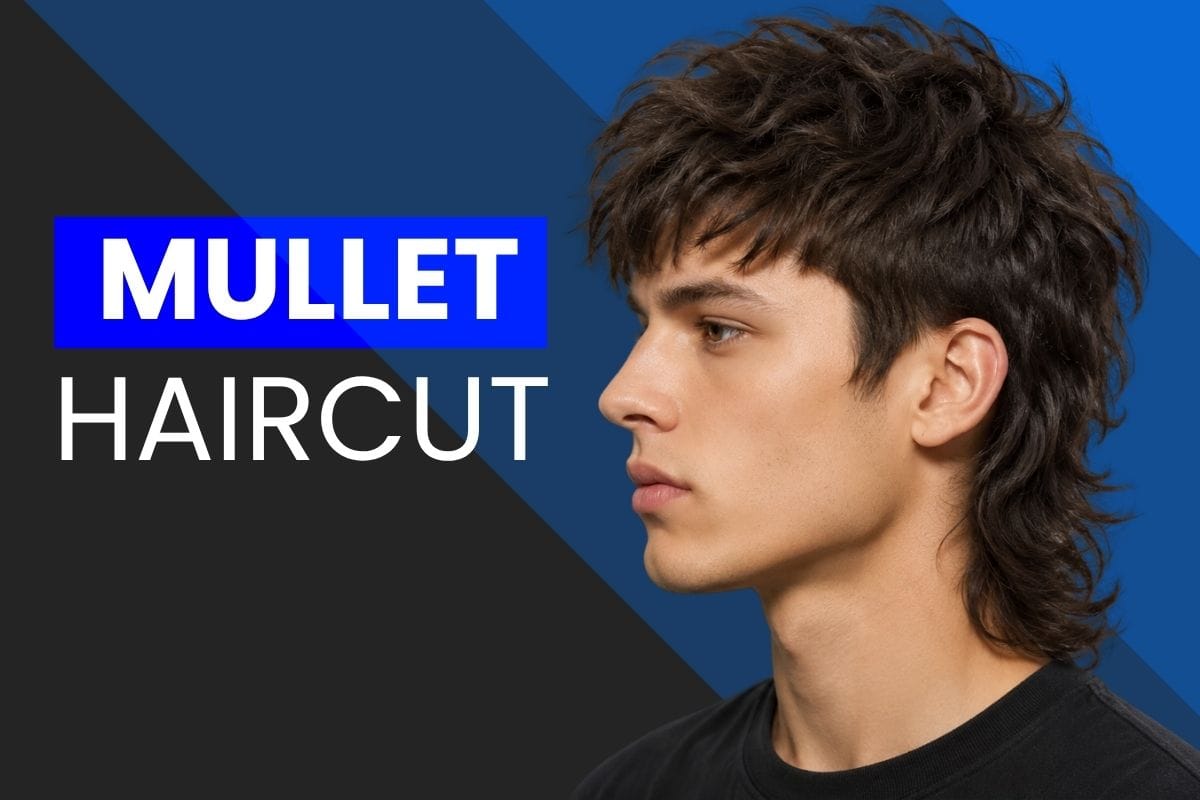
The mullet haircut is the one that’s chopped short at the front and sides, then left long and flowing down the back.
You know the slogan: business at the front, party at the back. Sounds like a daft 80s gimmick, right? It isn’t. This cut has been turning heads since ancient Greece, and it’s having a massive moment all over again.
Key Points
- Short at the front, long at the back. Simple as that.
- The name only popped up in 1994. The haircut is far, far older.
- Ancient warriors, glam rockers and pop stars have all rocked it.
- It’s roared back into fashion, especially with younger crowds.
What is a Mullet Hairstyle?
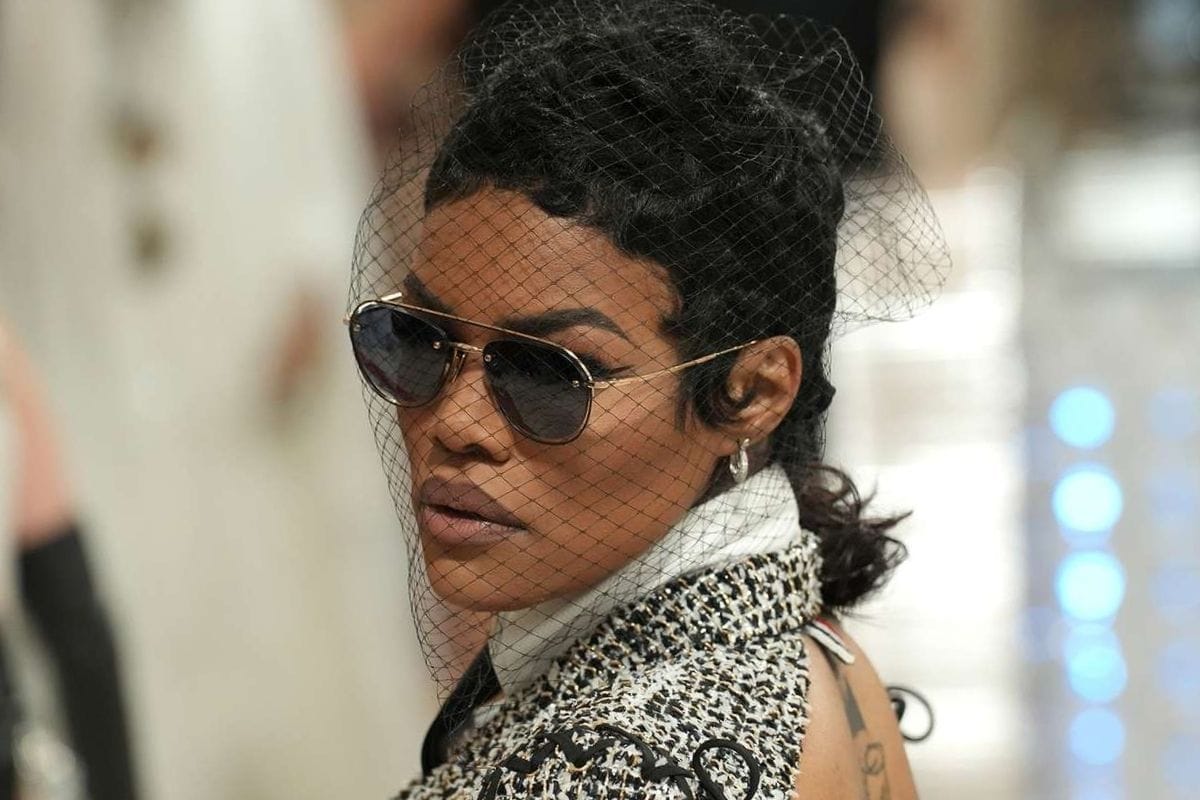
Picture a haircut that can’t make its mind up. Tidy near the face, then a riot of length down the neck. That’s the mullet. The mullet hairstyle’s meaning has wandered a fair bit over the decades. Based on Esquire, it used to shout “rebel“.
Now it sort of whispers, “I do my own thing.” Best part? It plays nicely with loads of hair types and face shapes, so almost anyone can have a crack at it.
Also Read – What Haircut Did Martin Luther King Have?
Where Did the Name “Mullet” Come From?
Here’s the bit nobody sees coming. The origin of the mullet haircut name is dead recent. The Oxford English Dictionary points straight at the American hip-hop trio the Beastie Boys, who coined the word.
According to Sorek, the Beastie Boys lobbed “mullet” and “mullet head” as cheeky insults in their 1994 track “Mullet Head.”
The next year they ran a rambling, tongue-in-cheek piece on it in their own magazine, Grand Royal. Before all that? Honestly, barely anyone used the word.
Did Mullets Exist Before They Were Called Mullets?
Oh, by miles. The history of the mullet stretches back thousands of years. Homer’s The Iliad describes the Abantes, a band of Greek spearmen, with “their forelocks cropped and hair grown long at the backs”.
Plutarch’s Life of Theseus reckons they shaved the front so enemies couldn’t grab a fistful mid-scrap. Smart, that. In his book Mullet Madness!, Alan Henderson says prehistoric folk probably trimmed their fringe to keep it out of their eyes, while the long back kept their necks toasty.
Centuries later, the grumpy scholar Procopius sneered at the “Hun cut” worn by rowdy Roman chariot fans.
Who Made the Mullet Famous?
Rock stars, mostly. David Bowie wore one as Ziggy Stardust in the early 70s, and Rod Stewart shook out his own shaggy take. Then the 80s went properly mullet-mad.
Writing for History, Linda Lacina points out the cut has suited rebels and big names alike — even Benjamin Franklin grew the beard long to butter up the French.
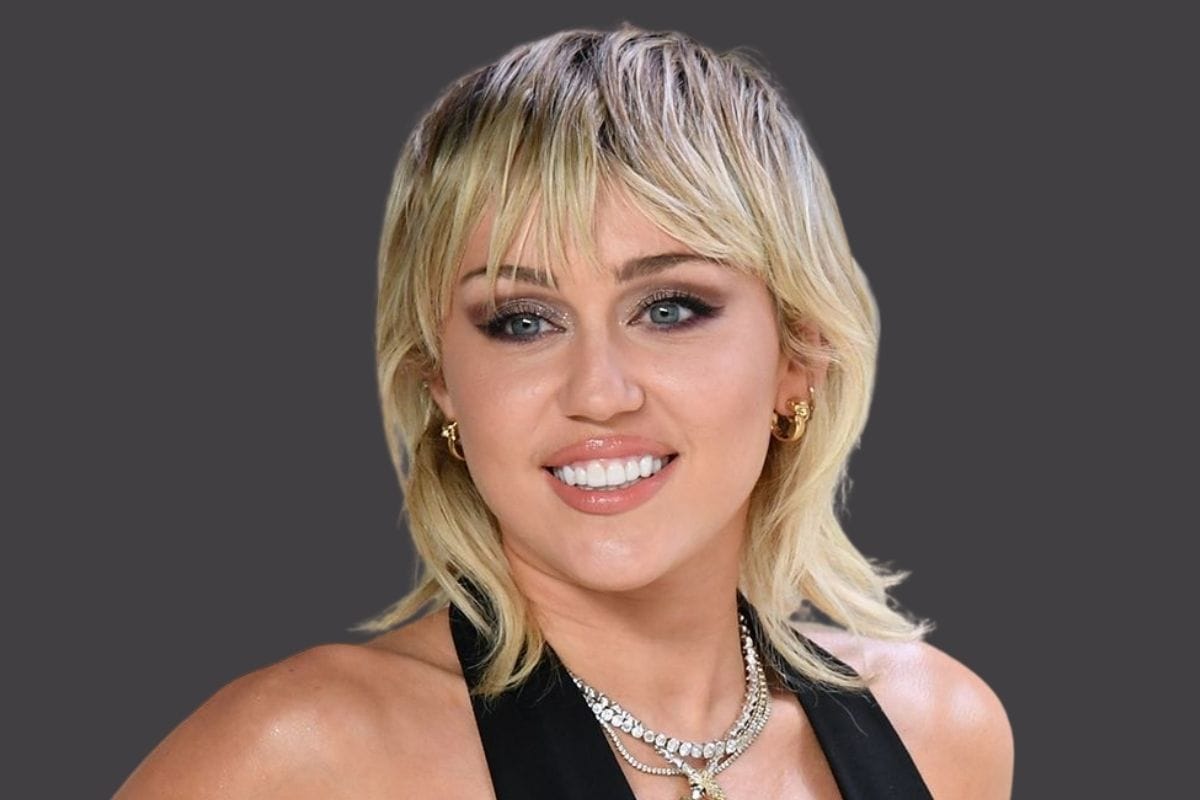
Tennis ace Andre Agassi had one. So did Richard Dean Anderson as MacGyver, and country singer Billy Ray Cyrus. Years on, Miley Cyrus dusted it off and got the whole comeback rolling.
Why Did the Mullet Become So Popular?
It handed you two haircuts in one. Smart at the front, wild out the back. Perfect for footballers, builders and band members who fancied both. It cost next to nothing, too — you simply stopped cutting the back and let it do its thing.
CNN notes the Bowie-flavoured version turned into a kind of code for “rebel”, tearing through New Wave and hair-metal bands like Mötley Crüe and Poison. Wearing one says loads without you ever opening your mouth.
Is the Mullet Still Popular Today?
Massively. The thing’s trending. TikTok and Instagram lit the fuse, with the younger lot digging out retro looks for the fun of it. The Tangle Teezer points out that the modern mullet haircut now turns up on catwalks, red carpets and your mate’s head down the pub.
It’s softer now, more textured, and often gender-fluid. Plenty of people pair it with a sharp fade for a slicker, dressier finish.
Different Types of Mullets
Spoilt for choice, really:
- Classic mullet – short front, long back. The proper old-school one.
- Modern mullet – layered and textured with a tidy fade.
- Burst fade mullet – a curved fade hugging the ears.
- Reverse mullet – flipped round: long front, short back.
- Shag mullet – soft, choppy and a touch boho.
- Skullet – bald-ish on top, long at the back.
Also Read – Celebrity-Inspired Haircuts For Men With Medium Length
Interesting Facts About the Mullet
- It’s got a stack of nicknames: the Kentucky Waterfall, the Missouri Compromise and plain old “hockey hair.”
- There’s a fish called a mullet, too. No relation, promise.
- Australia throws Mulletfest every year, raising cash for charity.
- Greek statues from the 6th century B.C. already show mullet-ish cuts.
- Funny one: the haircut got its name only after its 80s heyday had already fizzled.
FAQ
What does a mullet actually look like?
Ans: It is short at the front and sides and long at the back. That mismatch between the top and the back makes it a mullet.
Who invented the mullet?
Ans: Nobody can claim it. It crops up across ancient Greece and Rome. The Beastie Boys just slapped a name on it.
Can women and non-binary people wear it?
Ans: Of course, they can. Everyone can try it, and the latest styles are loved for being gender-fluid. It suits different hair types or face shapes.
Why “business at the front, party at the back”?
Ans: The short front look is suitable for work or a serious photo. The long back, though, is pure fun, which is where the cheeky “party” nickname comes from.
Are mullets still cool in 2026?
Ans: Very much so. It’s one of the trendiest cuts around right now, promoted by TikTok and Instagram, and it’s especially popular with younger crowds chasing a bold, retro look.
Sources and References:
- Esquire – The word “mullet” means rebel.
- Sorek – The Beastie Boys used the words “mullet” and “mullet head” as cheeky insults in their 1994 track “Mullet Head”.
- CNN – The Bowie-style mullet cut was very famous once.
- Tangle Teezer – The modern mullet is today very common on catwalks and red carpets.