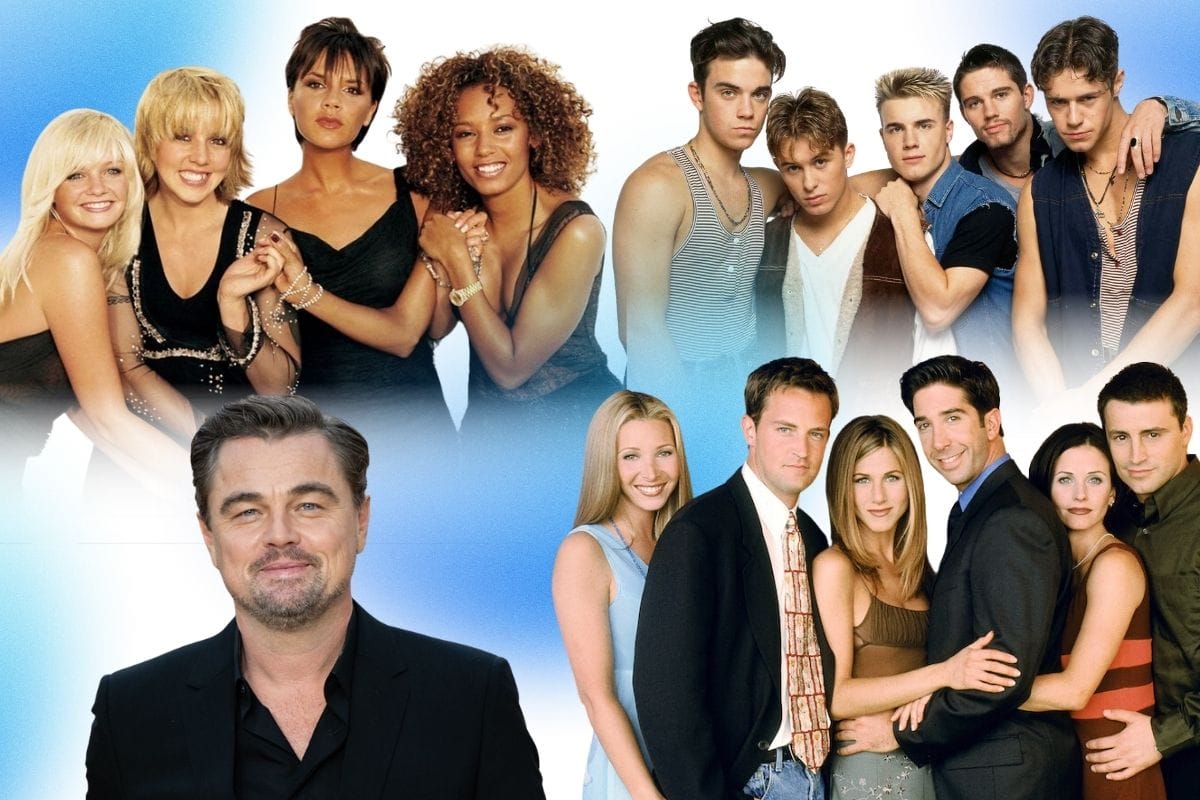
Ask anyone to name the 90s celebrities who defined pop culture, and the same names keep coming up. Britney. The Spice Girls. *NSYNC. DiCaprio. These weren’t just famous people – they were everywhere, all the time, shaping how an entire generation thought about music, film, and what it even meant to be a star. What’s wild is that in 2026, they’re still at it. Not just in throwback playlists and reunion tours – but actively influencing what gets streamed, what gets worn, and what gets made.
- Britney Spears’ 1998 debut basically invented modern pop stardom overnight
- The Spice Girls created Girl Power – a movement that still resonates today
- *NSYNC dominated with over 70 million record sales worldwide
- Friends proved that ensemble casts worked if the chemistry was genuinely real
- Leonardo DiCaprio became an international icon through two defining films
- In 2026, these 90s celebrities continue shaping modern entertainment
The Pop Stars Who Changed Everything
When “…Baby One More Time” dropped in 1998, something genuinely shifted. Britney Spears didn’t just put out a song – she accidentally invented a new way of being famous. Young, relatable, polished but not untouchable. That mix hadn’t really existed before, and it changed the whole game.
Then Christina Aguilera showed up with those vocals, and suddenly record labels had proof they could build empires around talented young women. Before these two, you didn’t see individual teen performers making that jump to adult global superstardom. They kicked the door open for everyone who came after.
Here’s what’s interesting in 2026: Britney’s story isn’t over. Documentaries are still coming out, fan movements are still loud, and conversations about artist freedom keep circling back to her. She’s not a nostalgic footnote – she’s actively still shifting how people think about the music industry.
The Spice Girls: Girl Power That Actually Worked
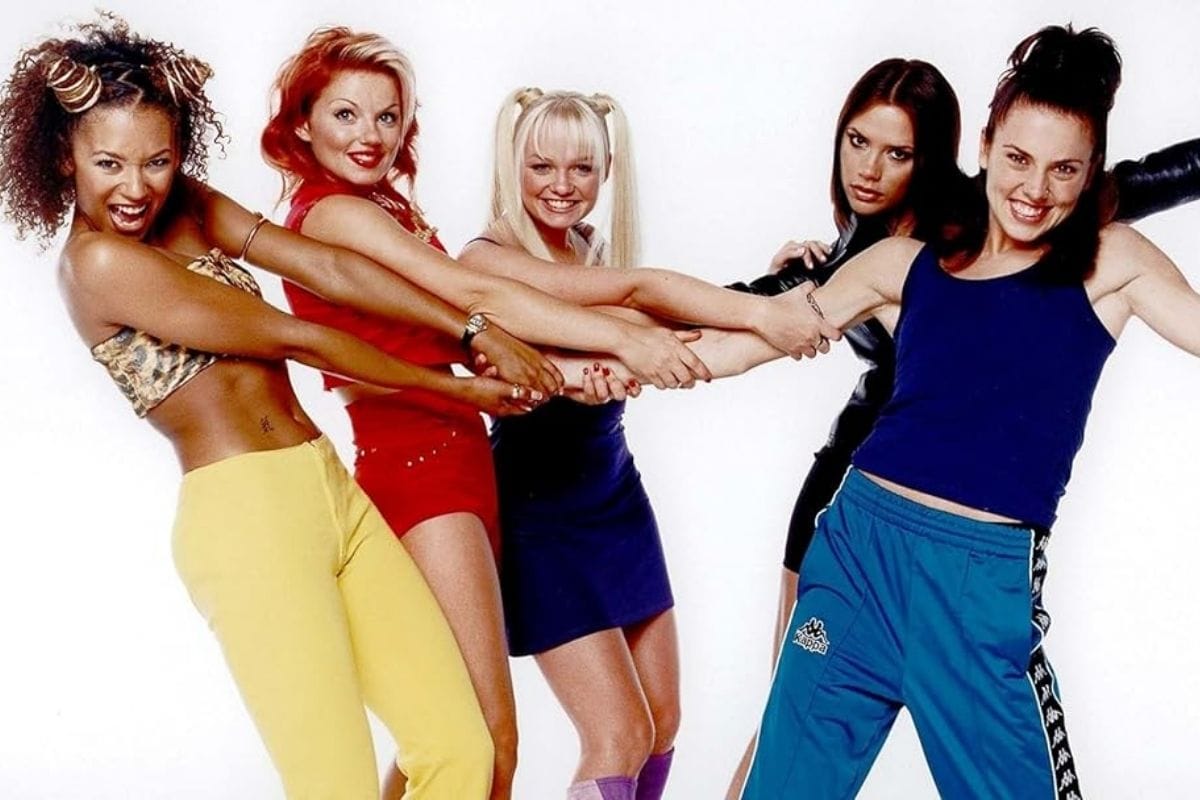
Five British women in 1996 completely reshaped what a girl group could be. According to their chart history, Spice sold over 28 million copies before streaming even existed. “Wannabe” hit number one in 30+ countries – making them a global phenomenon when the song eventually topped the US Billboard Hot 100 for four weeks straight.
Baby Spice, Posh, Scary, Sporty, Ginger – each one stood for something different. That was the whole point. Girl Power wasn’t just a slogan. It was the idea that different girls could be into different things and still hold equal power together. Pretty radical for a pop group in 1996.
In 2026, that influence hasn’t gone anywhere. TikTok is full of Spice Girls references. Emma Bunton just turned 50 and is still a media personality, brand founder, and UNICEF ambassador. These women didn’t ride off into nostalgia-land. They kept going, kept building, stayed genuinely relevant.
Boy Bands: The Real Competition
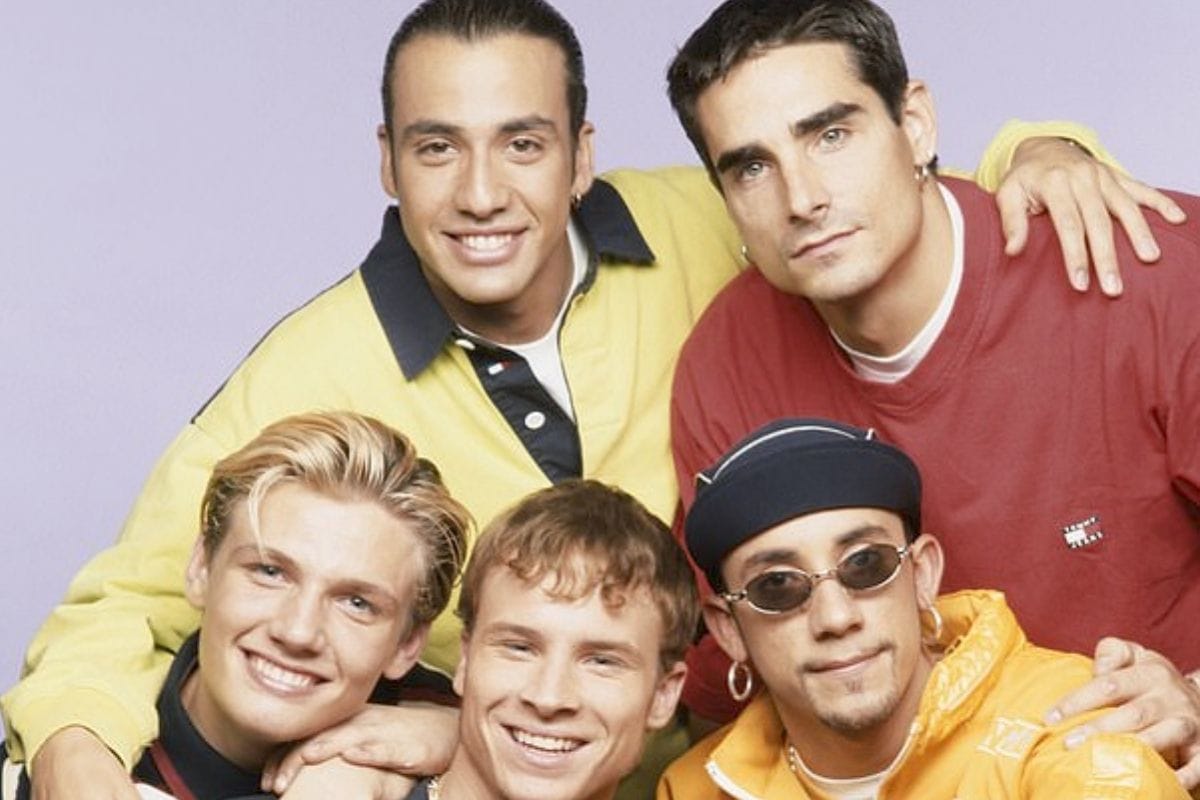
Backstreet Boys formed in 1993. *NSYNC arrived in 1995. Teenagers were genuinely split about which group was better – and honestly, the debate was real. This wasn’t manufactured drama. It was actual fandom driving record sales through the roof.
*NSYNC shifted over 70 million records worldwide and racked up nine Grammy nominations. Backstreet Boys had their own army of devoted fans. Their back-and-forth rivalry pushed both groups to actually innovate – the choreography, the harmonies, the arrangements. That stuff set the bar for years.
What’s genuinely interesting now? While the Backstreet Boys continue to pack arenas worldwide on tour, any hint of an *NSYNC reunion or a new collaborative single still completely breaks the internet. There are actual ongoing conversations about new music and cross-group collaborations. That’s not nostalgia – that’s a fan connection deep enough that these artists never really stopped being relevant.
Friends: The TV Show That Worked
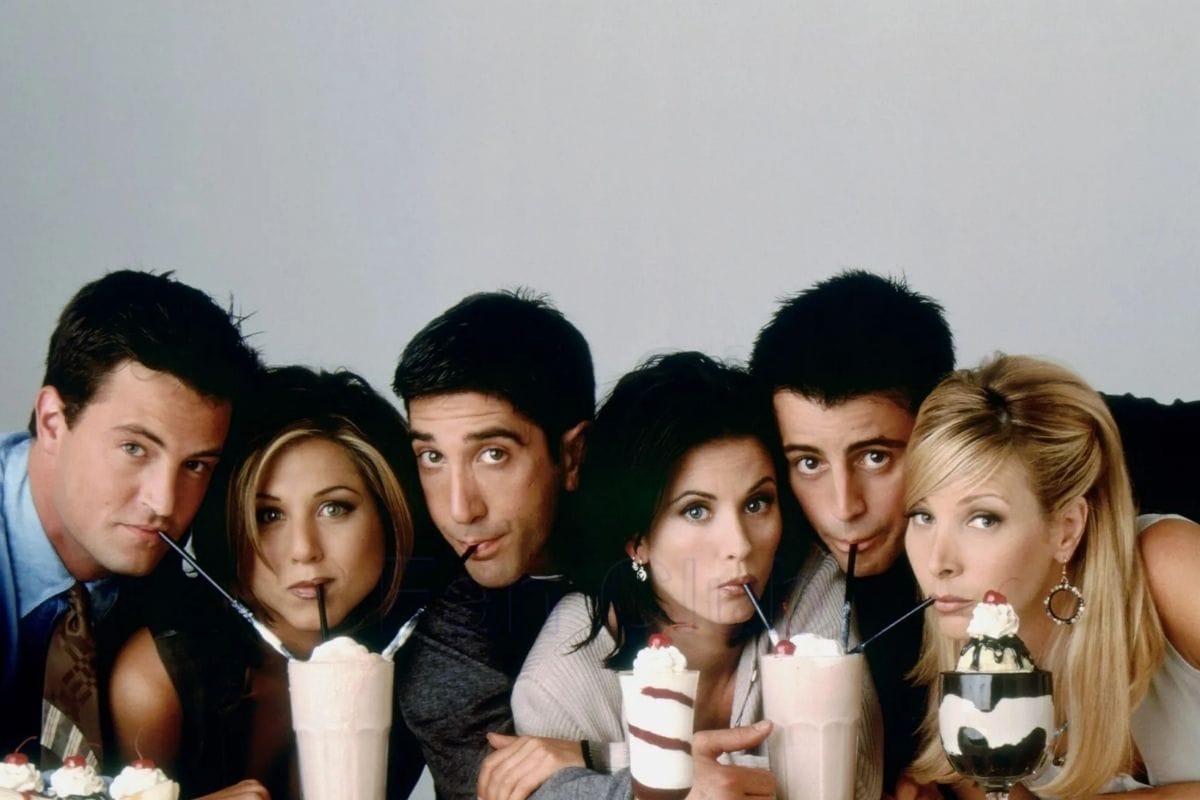
Friends started in 1994 and somehow became one of the most-watched shows ever made. Six mates in New York City – sounds thin on paper. But watch it, and you immediately get why it worked. Jennifer Aniston, Courteney Cox, Lisa Kudrow, Matt LeBlanc, Matthew Perry, David Schwimmer – the chemistry between those six felt completely real. You could tell they actually liked each other.
That’s what changed television. Before Friends, shows had a clear lead, and everyone else was just support. Friends proved you could build an entire show around proper ensemble chemistry – nobody felt like filler, nobody was just there to feed lines. Every character had their own thing going on.
In 2026, it’s still everywhere. Streaming numbers are massive, reunion appearances keep popping up, and it got a Super Bowl commercial. The writing genuinely holds up. The chemistry was real enough that two generations of viewers feel it.
Leonardo DiCaprio: The Template Setter
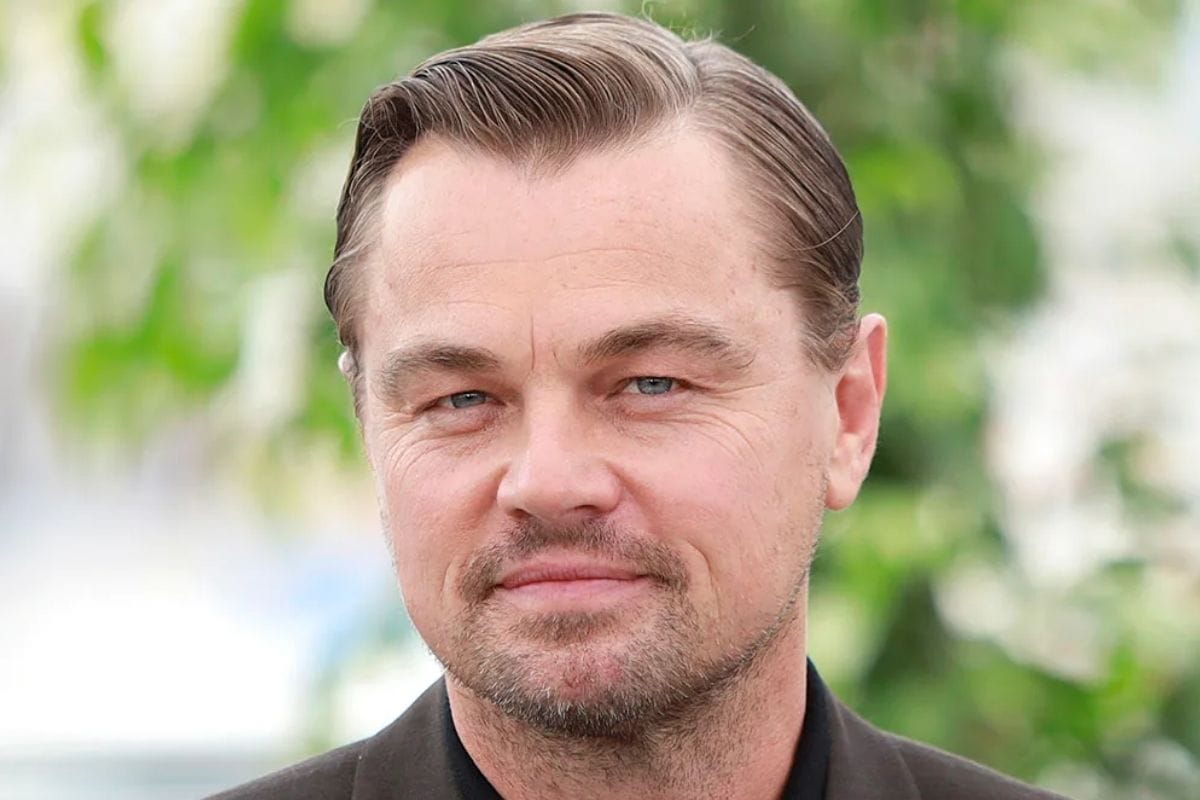
Romeo + Juliet (1996) and Titanic (1997) basically built the playbook for how a young actor becomes an international superstar. DiCaprio made Shakespeare accessible to teenagers who’d never have watched it otherwise. Titanic was the biggest film anyone had seen – and people weren’t going just for the ship. They were going for him.
Look at how young actors today build their careers – the personal branding, the move from teen idol to serious performer, the selective choices. DiCaprio essentially wrote that formula. Whether they know it or not, most of them are following the path he mapped out.
Why 90s Celebrities Still Matter in 2026
Honestly? The stuff these celebrities made just holds up. It’s not some forced nostalgia trip. People genuinely gravitate back to it – the authenticity, the fact that things felt like they were made with actual intention rather than engineered for an algorithm.
Streaming services keep reviving 90s classics. Modern artists are sampling 90s tracks. Fashion keeps pulling from 90s aesthetics. While legacy acts like the Backstreet Boys sell out massive tours, Britney Spears keeps making major headlines. This isn’t legacy acts milking their final paycheques. This is active cultural influence happening right now, in real time. The 90s celebrities who defined pop culture didn’t just create a moment – they built a blueprint that modern entertainment is still working from.
Comparison Table: Impact and Legacy
| Celebrity/Group | Debut Year | What They Did | 2026 Status |
| Britney Spears | 1998 | Revolutionized pop, 150M+ records | Headlines, ongoing cultural impact |
| Christina Aguilera | 1999 | Vocal powerhouse, Latin pop influence | Touring, creating |
| Spice Girls | 1996 | Girl Power movement, 100M+ records | Individual careers, reunions discussed |
| Backstreet Boys | 1993 | Set boy band standards | Still touring, discussing projects |
| *NSYNC | 1995 | 70M+ records, launched Timberlake | Active projects, reunion appearances |
| Friends (Cast) | 1994 | Changed ensemble sitcoms | Streaming constantly, reunion commercials |
FAQs
Which 90s celebrity had the biggest cultural impact?
Hard to pick one. Britney changed pop stardom. Spice Girls created a movement. Globally, it varies – different celebrities are connected with different regions. In the UK, the Spice Girls dominated the decade.
Are 90s celebrities still relevant in 2026?
Yes. Reunion tours sell out. Modern artists sample 90s music. Fashion directly references 90s aesthetics. This is real, active influence, not nostalgia.
Why is 90s nostalgia so strong right now?
Because 90s entertainment was made differently. Before algorithms, before constant optimization. More authenticity, more tactile. In a digital world, that comfort matters.
Backstreet Boys or *NSYNC – which was better?
Both shaped pop culture differently. BSB brought emotional depth and longevity. *NSYNC brought choreography innovation and launched Timberlake. The debate itself became cultural currency.
Can we expect new content from 90s celebrities?
Yes. While the Spice Girls have ruled out an official 30th-anniversary concert tour, members continue to discuss anniversary media projects. Meanwhile, boy band members frequently cross over for collaborative tracks and media appearances. These celebrities aren’t retiring; the 90s legacy is continuously evolving.
Sources & References
- Wikipedia — Cultural impact of Britney Spears
- CEO Today Magazine — Britney Spears in 2026
- The Hollywood Reporter — Emma Bunton signs with WME
- Rolling Stone — *NSYNC vs Backstreet Boys rivalry
- Billboard — Boy Band Confidential trailer
- Parade/AOL — Friends 31st anniversary
- NBC News — DiCaprio & Pitt on their Growing Pains days
- The Retro Network — 90s pop culture comeback in 2026
- Wikipedia — Cultural impact of Christina Aguilera
- Remind Magazine — Celebs from the 90s still active in 2026