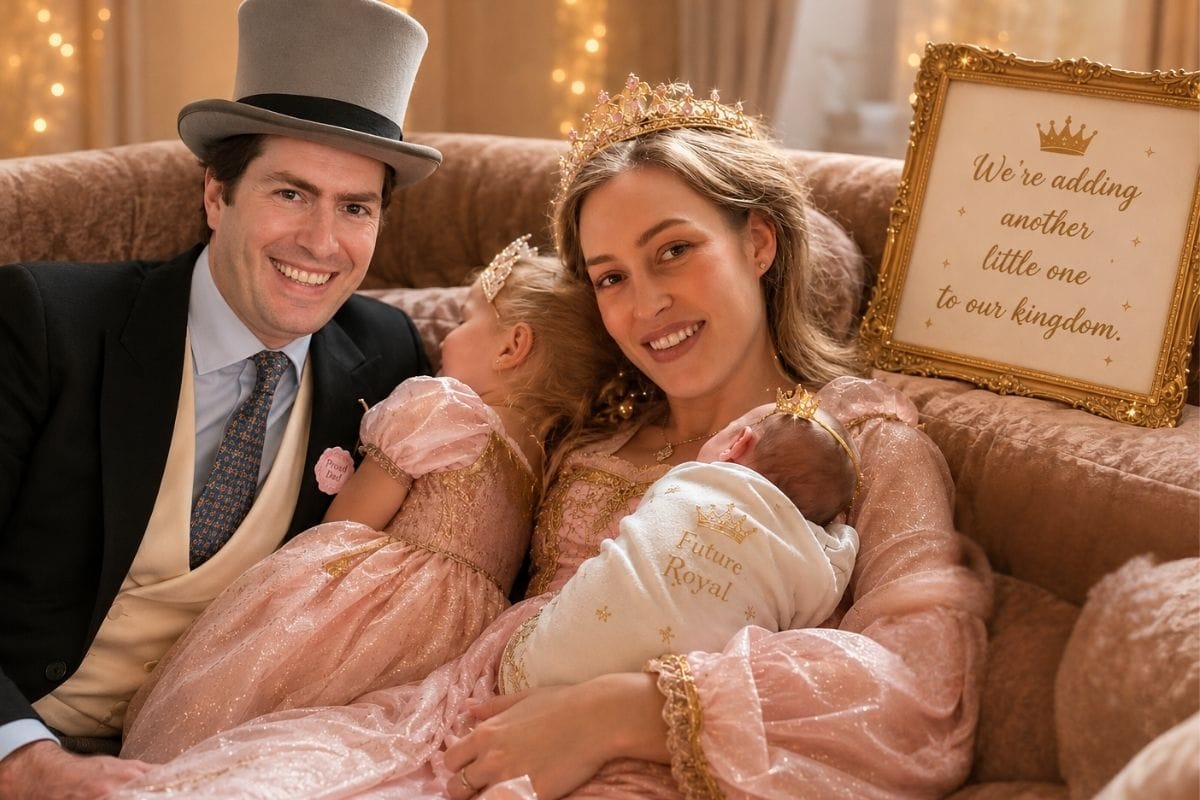
A signed notice on a palace easel, a telegram, and a gun salute echoing across London. That was how Britain once found out a royal baby had arrived. Now? A phone photo of a sleeping newborn in a knitted hat, posted to Instagram before the afternoon is out. Royal birth announcements then vs now could not look more different – and Lady Tatiana Mountbatten’s 2025 news about baby Albie might be the clearest example of just how much has changed.
- Royal birth announcements have shifted from formal state events to personal social media posts
- Lady Tatiana Mountbatten announced her son Auberon “Albie” Dru via Instagram in April 2025
- Historic announcements involved the Home Secretary, gun salutes, and The London Gazette
- Modern aristocratic figures now blend tradition with authenticity online
How Royal Birth Announcements Worked Then
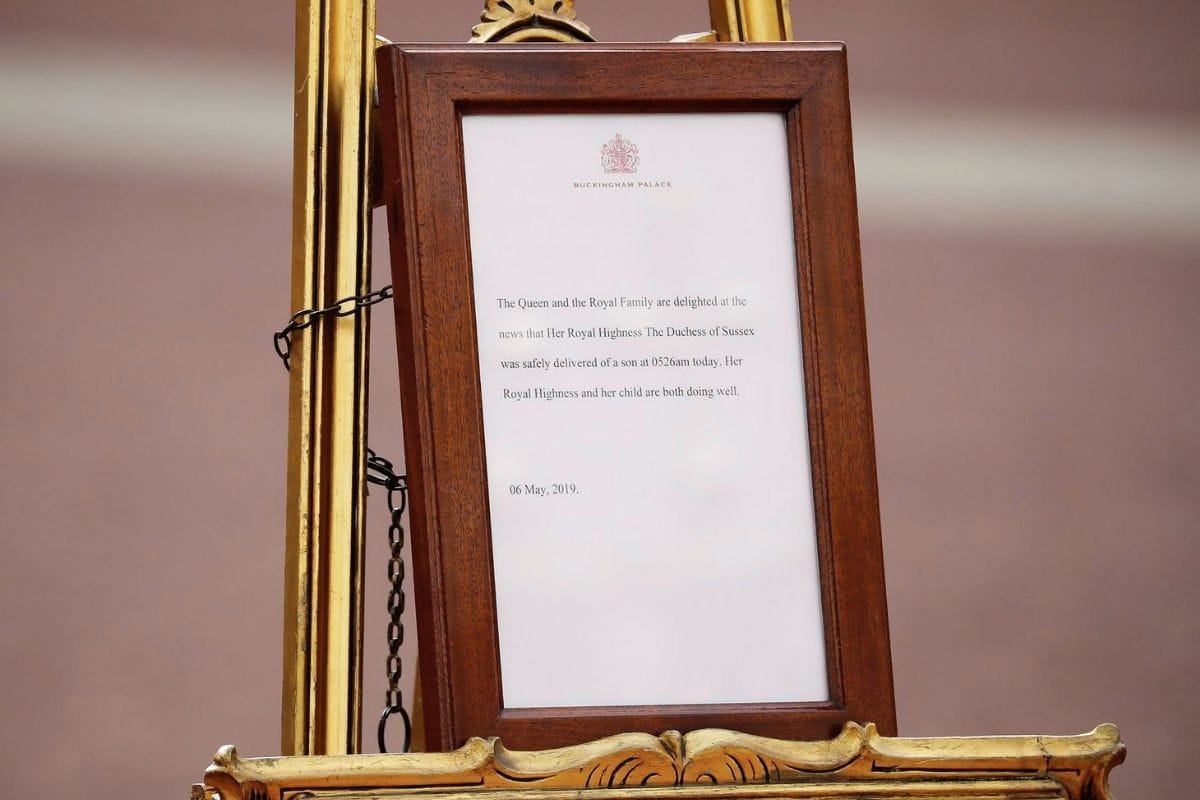
For centuries, announcing a royal birth was serious state business. It was formal, structured, and involved multiple layers of the establishment.
The official process began with Buckingham Palace placing a framed notice on a ceremonial easel on the palace forecourt – a tradition dating back to 1837. Church bells would ring at Westminster Abbey and St Paul’s, and the Home Office was responsible for informing the Channel Islands, the Isle of Man, the Lord Mayor of London, and other government departments. A special issue of the London Gazette was produced, and a doctor’s certificate was sent to the Privy Council.
From 1894, Home Secretaries were required to attend royal births for verification purposes – to confirm that the baby and potential heir was genuinely a descendant of the monarch. This practice continued until 1948, when it was finally dropped.
Newspapers were the primary way the public found out. When Queen Victoria was born in 1819, her arrival was noted in the “Births, Deaths, Marriages and Obituaries” section of the Leeds Intelligencer, with a formal statement confirming the Royal Family had received “another addition” and that both mother and infant were “doing well.”
Even the language used was deliberate and rigid. Announcements were brief, impersonal, and written entirely in the third person. There was no warmth, no story, no personality – just fact.
The Shift Begins – From Telegrams to Hospital Steps
Things did not change overnight. For decades, the format barely moved – formal statements, stiff language, the same channels. Then slowly, the cracks appeared.
Prince Charles’s arrival in 1948 was communicated by telegram. Thirty-four years later, Prince William became the first royal born in a hospital rather than a palace – and even that small detail felt like a shift.
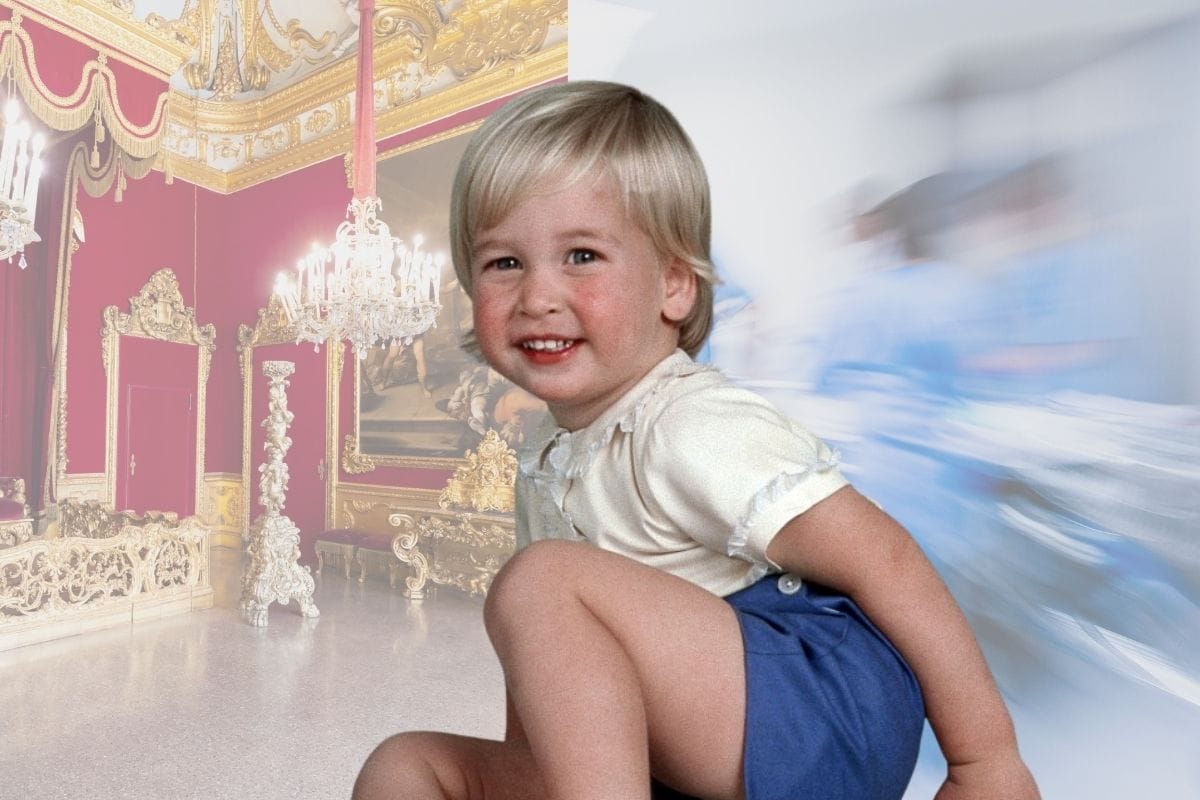
News of his birth came through a doctor-signed proclamation passed on by a Buckingham Palace spokesperson. Still formal, still controlled, but no longer quite so removed from how ordinary people lived.
The hospital steps followed naturally. William and Kate stepping outside St Mary’s with a newborn gave the public something they had never really had before – a glimpse. It was still carefully managed, but it had warmth in it. A face, not just a statement.
Social media arrived and changed everything that remained.
Lady Tatiana Mountbatten Birth Announcement – A New Kind of Royal News
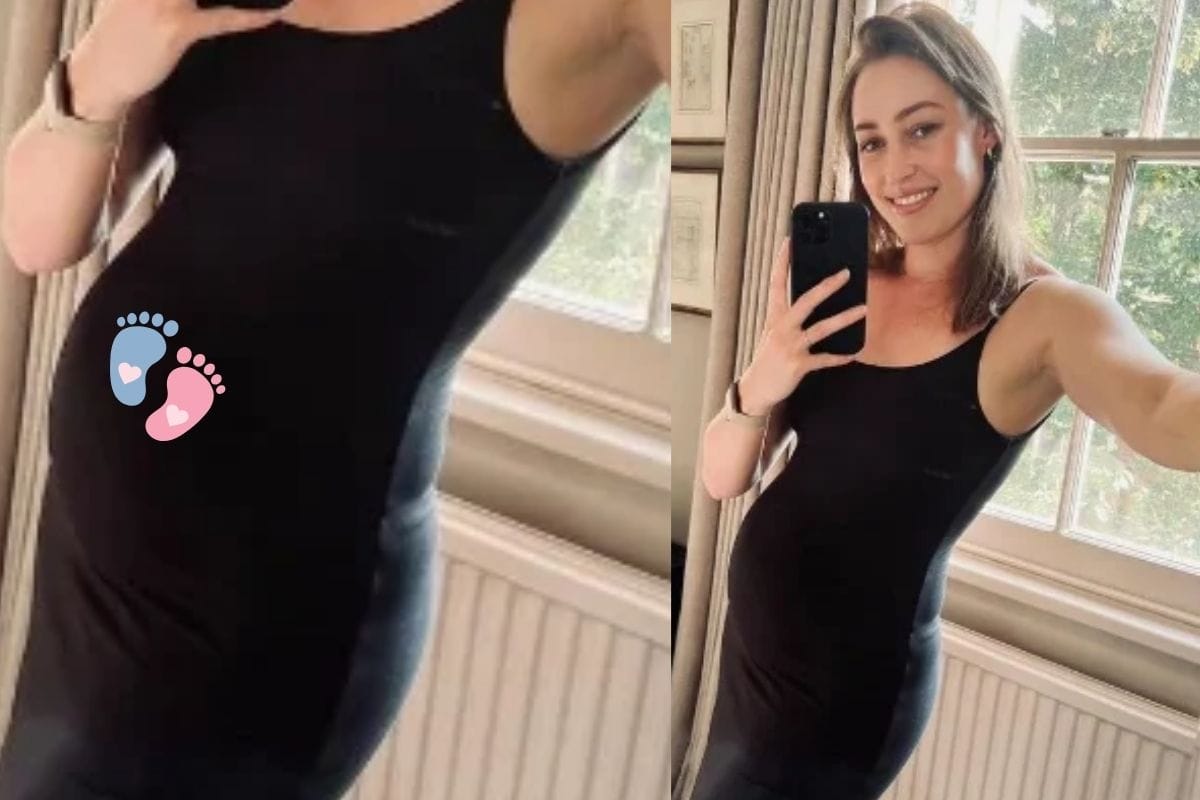
When Lady Tatiana Mountbatten announced the arrival of baby Albie in April 2025, there was no easel, no gazette, and no gun salute. There was Instagram.
On 13 April 2025, Lady Tatiana shared that her family had spent March 2025 in the Hampshire countryside welcoming their newest member. Rather than issuing a formal statement through palace channels or royal press offices, she posted on Instagram.
The post included the line “March might just have been the best month of my life” – a plainspoken sentiment that resonated with new parents and royal-watchers alike. The announcement also confirmed the baby’s name: Auberon, affectionately nicknamed Albie.
The intimate details – the knitted jumper, the tiny mittens, the cosy countryside backdrop – made the post feel like something from a personal family album rather than a PR campaign. Fellow royals and friends were quick to respond. Ella Mountbatten commented warmly, calling Albie her “new little cuz” and declaring him “the sweetest.” Equestrian friends Flora Gibbs and Zenouska Mowatt, granddaughter of Princess Alexandra, also added their congratulations.
Lady Tatiana is a second cousin once removed to King Charles III through the Mountbatten family line, though she is not a working member of the royal family. Her social media post quickly gained attention across global media outlets including Tatler, the Daily Mail, and The Mirror.
Then vs Now – Royal Birth Announcements Compared
| Element | Then (Historic) | Now (Modern) |
| Platform | London Gazette, newspapers | Instagram, social media |
| Tone | Formal, third-person | Personal, warm, conversational |
| Verification | Home Secretary present at birth | Doctor’s certificate/hospital confirmation |
| Visuals | Painted portraits, formal photographs | Candid mobile phone photos |
| Public reaction | Crowds outside palace | Comments, likes, viral shares |
| Speed | Hours to days | Minutes |
| Famous example | Victoria’s 1819 newspaper notice | Lady Tatiana’s April 2025 Instagram post |
Why This Shift Matters
The change in royal birth announcements is not just about technology. It reflects something deeper – a shift in what the public expects from aristocratic and royal figures. Authenticity now matters more than ceremony.
Lady Tatiana’s post worked precisely because it felt unscripted. A mother sharing that March was the best month of her life is far more compelling than a typed bulletin. It invites people in rather than keeping them at a distance.
The tradition has not disappeared entirely. For senior working royals, formal protocols still apply. But for the extended royal family, the rules have relaxed considerably – and audiences seem to prefer it that way.
FAQ
Who is Lady Tatiana Mountbatten?
She is a British aristocrat, daughter of George Mountbatten, the Marquess of Milford Haven, and a third cousin once removed to King Charles III. She is a psychotherapist and equestrian.
When did Lady Tatiana Mountbatten announce baby Albie?
She announced the birth on 13 April 2025 via Instagram, revealing her son Auberon “Albie” Dru had been born in March 2025.
How were royal births announced historically?
Through formal notices posted outside Buckingham Palace, publications in the London Gazette, gun salutes, and church bells – with the Home Secretary required to be present until 1948.
Who were Lady Tatiana’s children before Albie?
Her first child, daughter Elodie Dru, was born in September 2023. Albie is her second child with husband Alexander “Alick” Dru.
Has the royal family always used social media for birth announcements?
No. William and Kate were the first senior royals to use Instagram and Twitter for birth announcements. Extended family members like Lady Tatiana have since adopted this approach as their own.
Sources & References
- National Archives UK – “Announcing a Royal Birth“
- The Gazette – “Royal Babies and The Gazette“
- Gale Primary Sources – “How British Royal Births Have Been Documented Through the Ages“
- Celeb News Magazine – “Lady Tatiana Mountbatten Birth Announcement Latest Guide 2026“
- Exclusive Magazine- “Lady Tatiana Mountbatten Birth Announcement“
- TLC – “Royal Baby Announcements Through the Years“
- Woman & Home – “Facts About Royal Births“
- Wikipedia – “Mountbatten Family“